This was supposed to be stuffed peppers. I had the ground sausage defrosting on the counter, a bag of rice in the pantry, and a very clear image in my head of what dinner was going to look like. But somewhere between the grocery store and my kitchen, the plan fell apart. I grabbed the acorn squash instead of bell peppers—honestly, they were right next to each other in the bin, and in my defense, I was on the phone with my mom while shopping. By the time I got home and realized my mistake, the squash was sitting on my counter, looking back at me like, “Well, what now?”
I almost panicked. I mean, I had never cooked a whole acorn squash before. I knew you could roast it, sure, but stuff it? That felt like a whole different level of cooking confidence I didn’t have right then. It was a Tuesday night. I was tired. The last thing I wanted was a kitchen disaster. But the sausage was already seasoned, the dried cranberries were calling my name from the pantry, and I figured—what’s the worst that could happen? Either this would be a weird, edible experiment, or I’d be ordering pizza by seven. Let me tell you, I was ready for pizza.
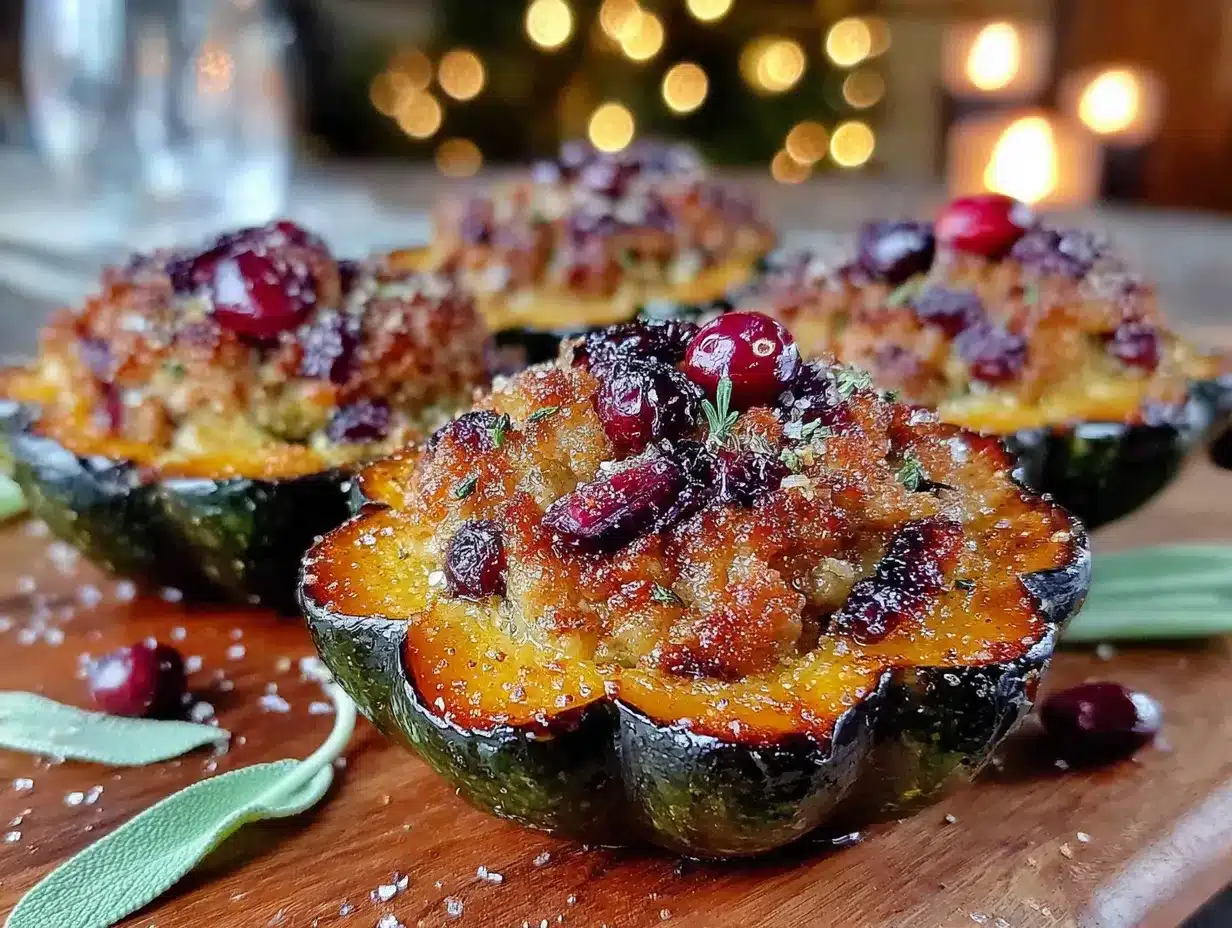
What came out of the oven was nothing like the plan. It was better. The squash got all tender and caramelized around the edges, the sausage filling soaked up all those sweet and savory juices, and the cranberries burst into little pockets of tartness that made every bite interesting. I stood there at the counter, eating straight out of the squash half with a spoon, not even bothering with a plate. Maybe you’ve been there—when a recipe surprise turns out so good you forget your own name. That was this dish for me. And now, every time fall rolls around or I need something that feels like a hug on a plate, this is what I make. It’s the recipe that taught me to stop panicking when things go wrong in the kitchen. Sometimes the mistake is the whole point.
Why You’ll Love This Recipe
Look, I’ve tested a lot of stuffed squash recipes over the years. Some are too dry. Some are too complicated. Some taste like you’re eating a health food project instead of dinner. This one? It hits all the right notes, and I’m not just saying that because it started as an accident. Here’s why this cozy stuffed acorn squash with sausage and cranberries has earned a permanent spot in my fall rotation:
- Quick & Easy: From start to table in about 55 minutes, and most of that is hands-off oven time. Perfect for a weeknight when you want something special without spending all evening in the kitchen.
- Simple Ingredients: No fancy grocery trips needed. Sausage, squash, rice, cranberries, a few pantry spices—that’s it. You probably have most of this already.
- Perfect for Cozy Nights: This is the dish you make when the weather turns cold, you’ve had a rough day, or you just need something that feels like a warm blanket in food form. It’s comfort food, plain and simple.
- Crowd-Pleaser: I’ve served this to picky eaters, to in-laws, to friends who swear they don’t like squash. Every single time, the bowl comes back empty. The combination of savory sausage and sweet-tart cranberries is just that good.
- Unbelievably Delicious: The texture is what gets me. The squash gets fork-tender with those slightly crispy, caramelized edges. The filling is juicy and flavorful. It’s next-level comfort food that makes you close your eyes after the first bite.
This isn’t just another stuffed squash recipe. It’s the one where the flavors actually work together—where the sausage fat renders into the squash, where the cranberries cut through the richness, where every single ingredient has a job to do. It’s comfort food reimagined: faster, simpler, but with the same soul-soothing satisfaction. And honestly, the fact that it started as a grocery store mix-up makes it taste even better.
What Ingredients You Will Need
This recipe uses simple, wholesome ingredients that come together to create something genuinely special. No hard-to-find items, no weird specialty products—just good, honest food that works. Let me walk you through what you’ll need and why each one matters.
- Acorn Squash (2 medium, halved and seeded): Look for squash that feels heavy for its size with a deep green color and just a bit of orange on the skin. That orange patch means it’s ripe and sweet. I personally grab mine from the farmers market when I can, but grocery store squash works great too. Just make sure they’re similar in size so they cook evenly.
- Ground Sausage (1 lb, I prefer mild or sweet Italian): This is where most of the flavor comes from. I like using Johnsonville or a local butcher’s sweet Italian sausage for that perfect balance of fennel and herbs. If you like heat, go with hot Italian. If you want something leaner, turkey sausage works, but you might need to add a tablespoon of olive oil to keep things moist.
- Cooked Rice (1 cup, white or brown): This is your filler and texture helper. Leftover rice from last night’s dinner is perfect here. White rice gives a softer texture; brown rice adds a bit of chew. You can also use quinoa or farro if that’s what you have on hand—I’ve done it, and it works beautifully.
- Dried Cranberries (1/2 cup): These little gems are the reason this dish feels special. They add pops of tart sweetness that cut right through the savory sausage. Look for unsweetened or lightly sweetened dried cranberries if you can find them—the tartness balances better. Craisins are fine, but the unsweetened ones from the bulk bin section are my go-to.
- Onion (1 medium, diced): Yellow or white onion works best here. It adds a savory base that builds flavor from the very first step. Don’t skip it—the caramelized bits of onion in the filling are non-negotiable.
- Celery (2 stalks, diced): Adds that subtle earthy flavor and a tiny bit of crunch. If you’re not a celery fan, you can leave it out, but I promise it melts into the background and just makes everything taste more “cooked with love.”
- Garlic (3 cloves, minced): Fresh garlic, always. The jarred stuff has its place, but this is not it. Three cloves gives you a nice garlicky warmth without overpowering everything else.
- Fresh Sage (1 tablespoon, chopped): This is the herb that ties the whole dish together. Sage and sausage are a classic pairing, and it works beautifully with the sweetness of the squash and cranberries. If you only have dried, use 1 teaspoon.
- Fresh Thyme (1 teaspoon, leaves stripped): Adds a subtle lemony, earthy note that brightens up the filling. Dried thyme works in a pinch—use 1/2 teaspoon.
- Chicken Broth (1/2 cup): This goes into the filling to keep it moist and adds a little extra flavor. Vegetable broth works fine if that’s what you have.
- Butter (2 tablespoons, melted): Brushed onto the squash halves before roasting. This is what gives you those gorgeous caramelized edges and adds richness.
- Salt and Black Pepper (to taste): Don’t be shy with the seasoning. Squash loves salt, and the pepper adds a little warmth.
- Optional Toppings: Fresh parsley for color, a drizzle of balsamic glaze for extra tang, or some toasted pecans for crunch. I’ve done all three, and they’re each wonderful in their own way.
Equipment Needed
You don’t need a fancy kitchen to make this recipe. Here’s what you’ll actually use, along with a few tips from my own experience.
- Large Baking Dish or Sheet Pan: You need something with a rim to catch any juices that bubble over. A 9×13 baking dish works perfectly. I’ve used a rimmed sheet pan too, and it’s fine—just make sure the squash halves sit flat.
- Sharp Chef’s Knife: Acorn squash is tough. A dull knife is a recipe for disaster (and possibly a trip to the urgent care). Use a sharp, heavy knife and cut carefully. I learned this the hard way after a close call with a sad, dull blade.
- Large Spoon or Ice Cream Scoop: For scooping out the seeds and strings. An ice cream scoop with a sharp edge makes this job so much easier.
- Large Skillet: For cooking the sausage and vegetables. A 12-inch skillet gives you plenty of room to brown everything properly without steaming.
- Mixing Bowl: For combining the filling ingredients. Any medium-sized bowl will do.
- Pastry Brush: For brushing the melted butter onto the squash. If you don’t have one, just use a paper towel or your fingers—I’ve done both.
- Aluminum Foil: For covering the squash during the first part of baking. This traps steam and helps the squash get tender before it finishes uncovered.
- Cutting Board: A sturdy one that won’t slide around. Place a damp paper towel underneath to keep it steady.
That’s it. No food processor, no stand mixer, no fancy gadgets. Just basic kitchen tools and a little bit of patience.
Preparation Method
Alright, let’s get cooking. I’ve broken this down step by step so you can follow along without any guesswork. Trust me, if I can figure this out on a distracted Tuesday night, you’ve got this.
- Preheat your oven to 400°F (200°C). Get this going first so the oven is nice and hot when you’re ready to roast.
- Prepare the squash. Using a sharp chef’s knife, carefully cut each acorn squash in half from stem to tip. Scoop out the seeds and stringy bits with a large spoon—I like to use an ice cream scoop for this. It just works better. Place the squash halves cut-side up in your baking dish. Brush the cut sides and the cavities with the melted butter. Season generously with salt and pepper. Don’t be shy here—this is where the flavor starts.
- Start the initial roast. Cover the baking dish tightly with aluminum foil and roast the squash for 25 minutes. This steaming step is crucial—it softens the squash so it’s tender but not mushy, and it sets you up for that perfect texture later. While the squash is roasting, you can make the filling.
- Cook the sausage. Heat your large skillet over medium-high heat. Add the ground sausage and cook, breaking it up with a wooden spoon, until it’s browned and cooked through—about 6-8 minutes. Don’t drain all the fat; you want some of it to flavor the vegetables. Use a slotted spoon to transfer the cooked sausage to a bowl, leaving about 1 tablespoon of rendered fat in the skillet.
- Sauté the aromatics. Reduce the heat to medium. Add the diced onion and celery to the skillet with the reserved fat. Cook, stirring occasionally, until the onion is translucent and the celery is softened—about 5 minutes. Add the minced garlic and cook for another minute until fragrant. Your kitchen is going to smell amazing right about now.
- Combine the filling. Return the cooked sausage to the skillet. Add the cooked rice, dried cranberries, chopped sage, and thyme leaves. Stir everything together until it’s well combined. Pour in the chicken broth and let it simmer for 2-3 minutes, stirring occasionally, until the liquid is mostly absorbed. The filling should be moist but not soupy. Taste it and add salt and pepper as needed. I usually add about 1/2 teaspoon of salt and 1/4 teaspoon of pepper at this stage.
- Stuff the squash. By now, the squash should be done with its initial roast. Carefully remove the foil—watch out for the steam, it’s hot. Using a spoon, divide the filling evenly among the four squash halves. Pack it in gently but firmly; you want it mounded up nicely. Don’t worry if some falls out during baking—that’s just extra crispy bits for you to snack on.
- Finish baking. Return the stuffed squash to the oven, uncovered this time, and bake for another 20-25 minutes. You’re looking for the squash to be fork-tender and the filling to be heated through with some golden brown spots on top. The edges of the squash should be caramelized and gorgeous.
- Rest and serve. Let the stuffed squash rest in the dish for about 5 minutes before serving. This helps the filling set up a bit and makes it easier to handle. Garnish with fresh parsley, a drizzle of balsamic glaze, or some toasted pecans if you’re feeling fancy. Serve hot, straight from the squash half.
One thing I want to mention here: don’t overfill the squash. I know it’s tempting to pile it high, but you want the filling to sit mostly inside the cavity with just a little mound on top. Too much filling and it’ll all spill out during baking, leaving you with a sad, empty squash and a baking dish full of delicious but misplaced stuffing. Learn from my mistakes, friends.
Cooking Tips & Techniques
Over the years, I’ve made this recipe more times than I can count, and I’ve picked up a few tricks along the way. Some came from success, others from spectacular failure. Here’s what I wish someone had told me the first time.
Choose squash that sits flat. Before you even start cutting, check your acorn squash. Place it on the counter and see if it wobbles. If it does, trim a tiny sliver off the bottom (the pointy end) to create a flat surface. This keeps the squash from tipping over in the baking dish and spilling your beautiful filling everywhere. I learned this after a tragic squash-tipping incident that left me scraping filling off the bottom of my oven.
Don’t skip the foil step. I know, it’s tempting to just throw everything in the oven and hope for the best. But that initial covered roast is what gives you perfectly tender squash without drying it out. Without the foil, the squash cooks too quickly on the outside while staying hard in the center. Trust the process—it’s only 25 minutes.
Use leftover rice if you can. Day-old rice that’s been sitting in the fridge is ideal for this recipe. It’s drier and less sticky than freshly cooked rice, which means it absorbs the flavors better and doesn’t turn the filling into a mushy mess. If you’re cooking rice fresh, spread it out on a sheet pan to cool and dry for 10 minutes before using it.
Brown the sausage properly. Don’t rush this step. You want the sausage to get some nice brown bits on the bottom of the skillet—that’s flavor. Let it cook undisturbed for a few minutes before breaking it up. If your skillet is overcrowded, the sausage will steam instead of brown. Cook it in batches if you need to.
Taste the filling before stuffing. This is your last chance to adjust the seasoning. The squash itself is pretty neutral, so your filling needs to be well-seasoned. Add a little more salt, a pinch of red pepper flakes for heat, or an extra splash of broth if it seems dry. Trust your taste buds.
Watch the clock on the final bake. Ovens vary, so start checking your squash at the 18-minute mark. You want it fork-tender but not falling apart. A knife should slide into the flesh with little resistance. If the filling starts to brown too quickly but the squash isn’t done, tent loosely with foil for the last 5-10 minutes.
Let it rest. I know you’re hungry. I know it smells incredible. But those 5 minutes of resting time make a real difference. The filling sets up, the juices redistribute, and the squash becomes easier to handle. Use that time to set the table or pour yourself a glass of wine.
Variations & Adaptations
One of the best things about this recipe is how flexible it is. I’ve tried all sorts of variations over the years, and honestly, most of them have been winners. Here are some of my favorites.
Make it vegetarian. Swap the sausage for a plant-based alternative or use a mixture of cooked lentils and mushrooms. Sauté the mushrooms first until they release their liquid and start to brown, then add the lentils and follow the same steps. The texture is different but just as satisfying. I’ve made this for a vegetarian friend, and she asked for the recipe before she even finished eating.
Go gluten-free. This recipe is naturally gluten-free if you use gluten-free sausage and broth. Most dried cranberries are gluten-free, but double-check the label just to be safe. You can also swap the rice for quinoa or millet for extra protein and fiber.
Try different proteins. Ground turkey, chicken, or pork all work beautifully here. If using a leaner meat, add an extra tablespoon of olive oil or butter to the filling to keep it moist. I’ve even used leftover shredded rotisserie chicken in a pinch—just skip the browning step and mix it in with the vegetables.
Seasonal fruit swaps. While dried cranberries are my go-to, you can use dried cherries, chopped dried apricots, or even diced fresh apple in the fall. In summer, fresh blueberries or chopped peaches add a whole different vibe. Just adjust the sweetness level—if using fresh fruit, you might want to add a tablespoon of maple syrup or brown sugar to the filling.
Add some crunch. Stir in 1/2 cup of toasted pecans, walnuts, or pine nuts to the filling before stuffing. The nutty crunch adds another layer of texture that plays beautifully against the soft squash and tender filling. I do this when I’m serving it to company—it feels a little more special.
Spice it up. If you like heat, add 1/2 teaspoon of red pepper flakes or a diced jalapeño (seeds removed) to the onion mixture. Or use hot Italian sausage instead of mild. The sweetness of the squash and cranberries handles the heat beautifully.
Make it a meal prep hero. You can assemble the stuffed squash up to 24 hours in advance. Just prepare the filling, stuff the pre-roasted squash halves, cover, and refrigerate. When you’re ready to eat, add about 10 minutes to the final bake time since you’re starting from cold. This is my go-to for busy weeks when I want something cozy but don’t have time to cook from scratch every night.
Serving & Storage Suggestions
This cozy stuffed acorn squash is a complete meal on its own, but if you want to round it out, here are some ideas that work beautifully.
Serving temperature and presentation. Serve the squash hot, straight from the oven. Place each half on a plate or in a shallow bowl—the bowl helps catch any filling that tries to escape. Garnish with a sprinkle of fresh parsley or sage for color, and maybe a drizzle of balsamic glaze if you’re feeling fancy. I like to serve it with a simple green salad on the side dressed with a lemon vinaigrette to cut through the richness.
What to serve alongside. A crusty loaf of bread is perfect for sopping up any juices that pool on the plate. Roasted Brussels sprouts or steamed green beans add a nice pop of green. If you want to keep it cozy, a bowl of creamy tomato soup or butternut squash soup makes this feel like a full-on fall feast. For drinks, a dry apple cider or a light red wine like Pinot Noir pairs beautifully.
Storing leftovers. If you have leftovers (which is rare in my house, but it happens), let the squash cool completely, then store it in an airtight container in the refrigerator for up to 4 days. The flavors actually meld together overnight, so leftovers taste even better the next day. I’ve been known to eat cold stuffed squash straight from the fridge for lunch—don’t judge until you’ve tried it.
Freezing instructions. You can freeze the stuffed squash for up to 3 months. Let it cool completely, then wrap each half tightly in plastic wrap and place in a freezer-safe bag or container. To reheat, thaw in the refrigerator overnight, then bake at 350°F (175°C) for 20-25 minutes, or until heated through. The texture of the squash will be a little softer after freezing, but the flavor is still fantastic.
Reheating tips. The best way to reheat individual portions is in the oven or toaster oven at 350°F (175°C) for about 10-15 minutes. The microwave works in a pinch, but the squash can get a bit watery. If using the microwave, place the squash on a paper towel and heat in 30-second intervals until warm. I find that the oven method gives you back some of that caramelized edge magic.
How flavors develop over time. Here’s a little secret: this dish is actually better on day two. The squash absorbs some of the savory juices from the filling, and the cranberries soften and spread their sweetness throughout. If you can resist eating it all the first night, the leftovers are a gift to your future self.
Nutritional Information & Benefits
I’m not a nutritionist, but I’ve done my homework on this one. Here’s what you’re getting in each serving (based on one squash half with filling).
| Nutrient | Amount per Serving |
|---|---|
| Calories | ~420 |
| Protein | 22g |
| Carbohydrates | 38g |
| Fiber | 7g |
| Sugar | 12g (natural from squash and cranberries) |
| Fat | 20g |
| Saturated Fat | 7g |
| Sodium | 680mg (varies by sausage and broth) |
| Vitamin A | 45% of Daily Value |
| Vitamin C | 35% of Daily Value |
| Potassium | 800mg |
Health benefits worth noting. Acorn squash is packed with vitamin A (great for your eyes and immune system) and vitamin C (hello, winter wellness). It’s also a good source of fiber, which keeps you feeling full and satisfied. The sausage provides protein and iron, while the cranberries add antioxidants. This is comfort food that actually does your body some favors.
Dietary considerations. This recipe is naturally gluten-free (check your sausage and broth labels to be sure). It’s also nut-free as written, though the pecan variation adds nuts. To make it dairy-free, use olive oil instead of butter for brushing the squash. To lower the sodium, use low-sodium broth and look for sausage with lower salt content.
Potential allergens. The main allergens here are in the sausage (check for any additives) and the optional nuts. If you’re serving someone with allergies, it’s easy to customize. I’ve made this for a friend with a dairy allergy by swapping the butter for olive oil, and she said it was just as good.
My personal take. Look, this isn’t a “diet” recipe. It’s a nourishing, satisfying meal that happens to be pretty balanced. The fiber from the squash and the protein from the sausage keep you full for hours, and the whole thing feels indulgent without being heavy. It’s the kind of meal that makes you feel good—not guilty—after eating it. And honestly, that’s the kind of cooking I believe in.
Conclusion
If you take nothing else away from this story, let it be this: some of the best recipes come from the moments when everything goes wrong. That grocery store mix-up, that distracted moment, that split-second decision to grab the wrong vegetable—it led me to a dish that I now make every single fall without fail. This cozy stuffed acorn squash with sausage and cranberries is proof that you don’t need to be a perfect cook to make something incredible. You just need to be willing to try, even when things don’t go according to plan.
I hope you make this recipe and make it your own. Add more cranberries if you love the sweet-tart pop. Swap in your favorite sausage. Pile on the toasted pecans. This dish is forgiving, flexible, and always, always delicious. And when you take that first bite—the one where the tender squash, the savory sausage, and the burst of cranberry all come together—I hope you close your eyes and smile. That’s what this recipe is all about.
If you make this, I’d love to hear about it. Drop a comment below and tell me how it turned out, what variations you tried, or even what kitchen accident led you to discover your own favorite recipe. And if you’re looking for more cozy fall meals, check out my cozy butternut squash soup or these sausage stuffed mushrooms for another warm, comforting bite. Happy cooking, friends. And remember—sometimes the best recipes are the ones you never planned to make.
Frequently Asked Questions
Can I use a different type of squash?
Absolutely! Butternut squash works well—just cut it in half lengthwise and scoop out the seeds. You’ll need to adjust the roasting time since butternut is denser. Small sugar pumpkins or delicata squash are also great options. Delicata has thinner skin, so you can eat it right along with the filling.
Can I make this recipe ahead of time?
Yes, and I actually recommend it. You can prepare the filling and pre-roast the squash up to 24 hours in advance. Store them separately in the fridge, then stuff and bake when you’re ready. Add about 10 minutes to the final bake time since you’re starting from cold. The flavors get even better overnight.
Can I freeze the stuffed squash?
Yes, for up to 3 months. Let the cooked squash cool completely, wrap each half tightly in plastic wrap, and place in a freezer bag. To reheat, thaw overnight in the fridge and bake at 350°F (175°C) for 20-25 minutes. The texture will be a bit softer, but the flavor is still fantastic.
How do I prevent the squash from tipping over?
Before cutting, check if your squash sits flat. If it wobbles, trim a tiny sliver off the bottom (the pointy end) to create a flat surface. You can also place the squash halves in a muffin tin or on a bed of crumpled foil to keep them steady during baking.
Can I use fresh cranberries instead of dried?
You can, but the result will be much more tart. Fresh cranberries are less sweet than dried, so I recommend adding 1-2 tablespoons of maple syrup or brown sugar to the filling to balance the acidity. You might also want to chop the fresh cranberries roughly so they distribute more evenly through the filling.
Pin This Recipe!

Cozy Stuffed Acorn Squash with Sausage and Cranberries

A cozy, comforting stuffed acorn squash recipe with savory sausage, sweet-tart dried cranberries, and tender roasted squash. Perfect for fall weeknights or when you need a warm hug on a plate.
- Prep Time: 15 minutes
- Cook Time: 45 minutes
- Total Time: 1 hour
- Yield: 4 servings 1x
- Category: Main Course
- Cuisine: American
Ingredients
- 2 medium acorn squash, halved and seeded
- 1 lb ground mild or sweet Italian sausage
- 1 cup cooked white or brown rice
- 1/2 cup dried cranberries
- 1 medium onion, diced
- 2 stalks celery, diced
- 3 cloves garlic, minced
- 1 tablespoon fresh sage, chopped (or 1 teaspoon dried)
- 1 teaspoon fresh thyme leaves (or 1/2 teaspoon dried)
- 1/2 cup chicken broth
- 2 tablespoons butter, melted
- Salt and black pepper to taste
- Optional: fresh parsley, balsamic glaze, toasted pecans for garnish
Instructions
- Preheat oven to 400°F (200°C).
- Cut each acorn squash in half from stem to tip. Scoop out seeds and strings. Place squash halves cut-side up in a baking dish. Brush cut sides and cavities with melted butter. Season generously with salt and pepper.
- Cover dish tightly with aluminum foil and roast squash for 25 minutes.
- While squash roasts, cook sausage in a large skillet over medium-high heat, breaking it up, until browned and cooked through (6-8 minutes). Transfer sausage to a bowl, leaving about 1 tablespoon of fat in the skillet.
- Reduce heat to medium. Add onion and celery to the skillet; cook until onion is translucent and celery is softened (about 5 minutes). Add garlic and cook 1 minute more.
- Return sausage to skillet. Add cooked rice, dried cranberries, sage, and thyme. Stir to combine. Pour in chicken broth and simmer 2-3 minutes until mostly absorbed. Season with salt and pepper to taste.
- Remove foil from squash. Divide filling evenly among the four squash halves, packing gently.
- Return stuffed squash to oven, uncovered, and bake 20-25 minutes until squash is fork-tender and filling is heated through with golden spots.
- Let rest 5 minutes before serving. Garnish as desired.
Notes
Choose squash that sits flat; trim a sliver off the bottom if needed. Don’t skip the foil step—it ensures tender squash. Use leftover rice for best texture. Taste filling before stuffing to adjust seasoning. Let squash rest 5 minutes before serving. Leftovers keep up to 4 days in the fridge; freeze for up to 3 months.
Nutrition
- Serving Size: 1 stuffed squash hal
- Calories: 420
- Sugar: 12
- Sodium: 680
- Fat: 20
- Saturated Fat: 7
- Carbohydrates: 38
- Fiber: 7
- Protein: 22
Keywords: stuffed acorn squash, sausage and cranberries, fall recipe, comfort food, weeknight dinner