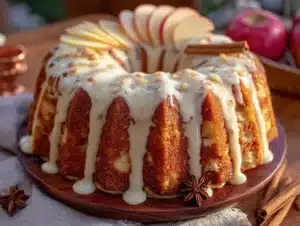
This was supposed to be a simple apple crisp. I had the apples all peeled and sliced, the brown sugar measured, and my grandmother’s favorite baking dish waiting on the counter. But then the power flickered—once, twice—and went out. It was a Thursday afternoon in late October, the kind of grey, drizzly day that makes you want to curl up under a blanket and not move. I stood there in the dim kitchen, staring at the bowl of apples, feeling that familiar panic rise. The oven was electric, so it was useless. The stovetop was gas, thankfully, but what was I supposed to do with a mountain of apples and no heat source?
I almost gave up. I mean, I seriously considered just tossing the whole thing and ordering takeout. But then I remembered my neighbor, Mrs. Gable, who had given me her old bundt pan last summer. “You’ll find a use for it,” she’d said, and I’d nodded politely, not really believing her. Now, with the rain tapping against the window and the house growing colder, I grabbed that heavy pan. I had a bottle of apple cider in the fridge—bought on a whim for mulling and never opened—and a desperate idea. What if I made a cake? Not a crisp, not a pie, but a dense, spiced cake that could bake in a toaster oven, which, blessedly, still worked.
Honestly, the first attempt was a mess. I forgot the baking soda, the batter was too thin, and I ended up with a sad, flat disc that tasted okay but looked terrible. But the second try? That was the one. The cider reduced on the stove, filling the kitchen with a smell so warm and cozy it felt like a hug. When I finally pulled that golden-brown bundt cake out of the tiny toaster oven, I knew I had stumbled onto something special. It was better than the crisp I had planned—richer, more aromatic, and somehow more comforting. I’ve been making it every fall since, and let me tell you, it never gets old.
Why You’ll Love This Recipe
Let’s be honest—there are a million apple cake recipes out there, but this one is different. This one has a story, and more importantly, it has a flavor that will stop you mid-bite. I’ve tested this cake more times than I can count, tweaking the spice blend and the cider ratio until it was absolutely perfect. It’s the kind of recipe that makes you look like a hero with very little effort.
- Quick & Easy: From start to finish, this cake comes together in about an hour and fifteen minutes. Most of that is hands-off baking time, so you can sip your coffee and enjoy the smell.
- Simple Ingredients: You probably have everything in your pantry right now. No weird extracts or hard-to-find flours—just real, honest ingredients.
- Perfect for Cozy Evenings: This cake was born on a rainy, powerless afternoon, and it’s the ultimate comfort food for cold weather, a rough day, or a quiet night in.
- Crowd-Pleaser: I’ve brought this to potlucks and family dinners, and it always disappears first. Kids love the tender crumb, and adults go crazy for the spiced cider glaze.
- Unbelievably Delicious: The secret is reducing the apple cider before adding it to the batter. It concentrates the flavor into something almost candy-like, without being too sweet.
This isn’t just another apple cake. It’s the one you’ll crave when the leaves start turning and the air gets crisp. It’s the one that makes your house smell like a fall candle, but better. It’s comfort food, reimagined—faster than a pie, but with the same soul-soothing satisfaction.
What Ingredients You Will Need
This recipe uses simple, wholesome ingredients to deliver a bold, autumnal flavor. Most of these are pantry staples, and the apple cider does the heavy lifting in terms of taste.
- Apple Cider (2 cups): Not apple juice! Cider is unfiltered and has a deeper, tangier flavor. You’ll reduce this on the stove to concentrate it.
- All-Purpose Flour (2 ½ cups): Provides structure. Spoon and level it into your measuring cup for accuracy.
- Granulated Sugar (1 ½ cups): Adds sweetness and helps create a tender crumb.
- Light Brown Sugar (½ cup, packed): Adds moisture and a hint of molasses flavor that pairs beautifully with cinnamon.
- Unsalted Butter (1 cup, or 2 sticks): Softened to room temperature. I use salted in a pinch, but then I reduce the added salt.
- Large Eggs (3): Room temperature eggs incorporate better into the batter. Leave them out for 30 minutes before starting.
- Vanilla Extract (2 teaspoons): Pure vanilla, not imitation, for the best flavor.
- Baking Powder (2 teaspoons): The leavening agent that makes the cake rise.
- Baking Soda (½ teaspoon): Helps with browning and tenderness.
- Salt (1 teaspoon): Balances the sweetness and enhances the spices.
- Ground Cinnamon (2 teaspoons): The star spice. I prefer Saigon cinnamon for its warmth.
- Ground Nutmeg (½ teaspoon): Freshly grated is best, but pre-ground works fine.
- Ground Cloves (¼ teaspoon): A little goes a long way. Adds that classic “fall” depth.
- Powdered Sugar (1 ½ cups): For the glaze. Sift it to avoid lumps.
- Heavy Cream (3-4 tablespoons): Thins the glaze to the perfect drizzling consistency. Use milk if that’s what you have.
Equipment Needed
You don’t need a fancy kitchen to make this cake, but a few key tools will make your life easier. I learned that the hard way when I tried to make it with a whisk and a lot of elbow grease.
- 10-12 Cup Bundt Pan: This is non-negotiable. A standard 10-cup pan works perfectly. If you use a smaller one, the batter will overflow. I love my Nordic Ware pan for even baking.
- Medium Saucepan: For reducing the apple cider. A heavy-bottomed one prevents scorching.
- Stand Mixer or Hand Mixer: A stand mixer makes creaming the butter and sugar a breeze, but a hand mixer works just as well. You can even do it by hand if you’re feeling strong.
- Large Mixing Bowls: You’ll need one for dry ingredients and one for wet.
- Whisk and Spatula: A whisk for combining dry ingredients, and a silicone spatula for folding the batter.
- Cooling Rack: Essential for letting the cake cool evenly before glazing.
- Toothpick or Cake Tester: To check for doneness without opening the oven too early.
Preparation Method
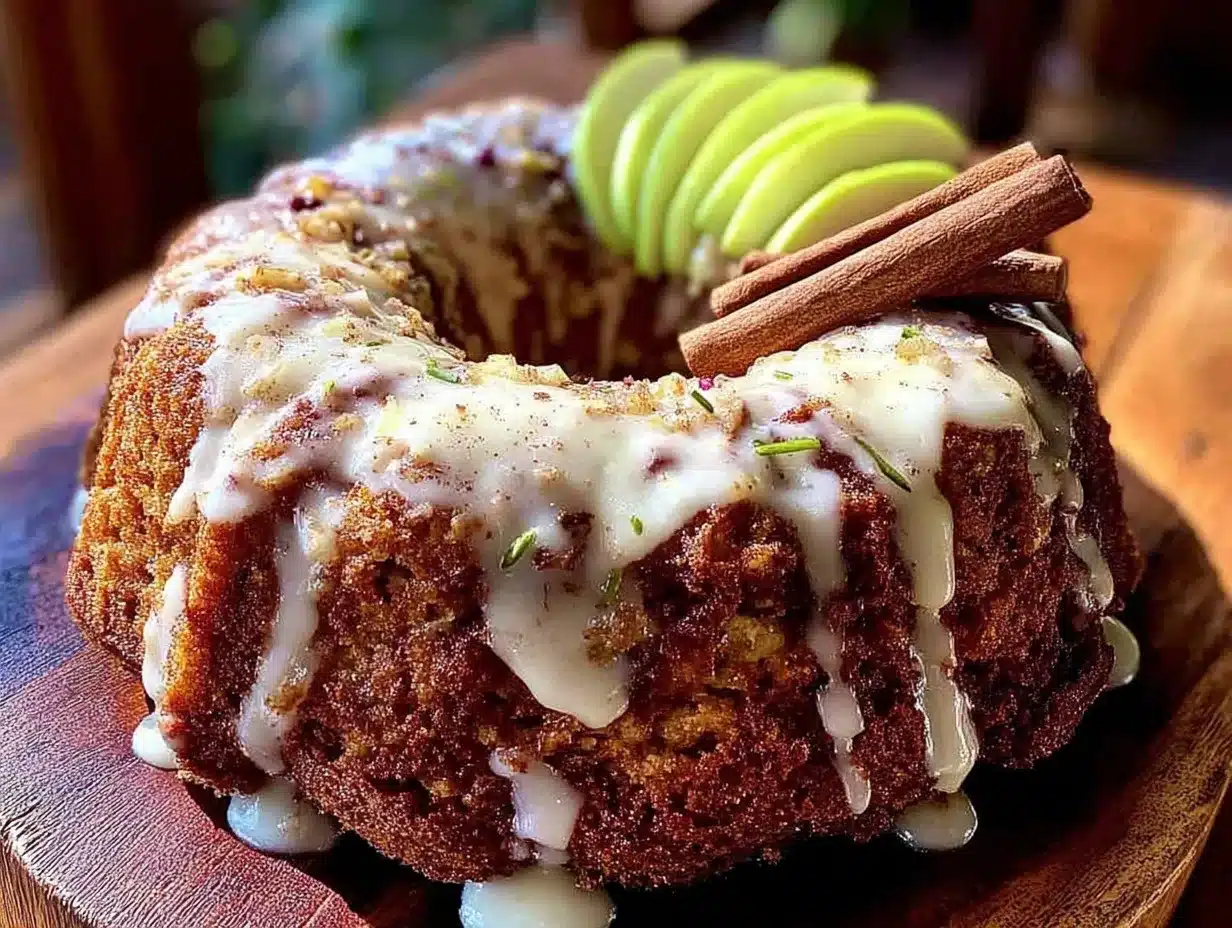
Alright, let’s get to the good part. Follow these steps, and you’ll have a cake that tastes like autumn in every bite.
- Reduce the Apple Cider: Pour the 2 cups of apple cider into a medium saucepan. Bring it to a boil over medium-high heat, then reduce the heat to a simmer. Let it bubble away for about 15-20 minutes, until it reduces to about ½ cup. It will look syrupy and smell amazing. Set it aside to cool completely. Don’t rush this—hot cider will curdle your butter.
- Preheat and Prep: Preheat your oven to 350°F (175°C). Generously grease your bundt pan with butter or non-stick spray, making sure to get into all the crevices. Dust it lightly with flour, tapping out the excess. This is the most important step—a stuck bundt cake is a tragedy.
- Mix Dry Ingredients: In a large bowl, whisk together the flour, baking powder, baking soda, salt, cinnamon, nutmeg, and cloves. Set this aside.
- Cream Butter and Sugars: In the bowl of your stand mixer (or a large bowl with a hand mixer), beat the softened butter, granulated sugar, and brown sugar together on medium speed until light and fluffy. This takes about 3-4 minutes. Scrape down the sides of the bowl once or twice.
- Add Eggs and Vanilla: Add the eggs one at a time, beating well after each addition. Then mix in the vanilla extract. The batter should look smooth and glossy.
- Alternate Dry and Wet: With the mixer on low speed, add about one-third of the dry ingredients. Mix until just combined. Then add half of the cooled, reduced apple cider. Mix again. Repeat with another third of the dry, the remaining cider, and finish with the last of the dry. Mix until just combined—overmixing will make the cake tough. Use a spatula to give it a final fold, making sure everything is incorporated.
- Bake: Pour the thick, fragrant batter into the prepared bundt pan and smooth the top. Bake for 45-55 minutes, or until a toothpick inserted into the center comes out clean or with a few moist crumbs. The top should be a deep golden brown.
- Cool in the Pan: Place the pan on a cooling rack and let the cake cool in the pan for 15 minutes. This is crucial—it allows the cake to set and release from the sides. Then, invert the pan onto the rack and gently lift it off. Let the cake cool completely, at least 1 hour.
- Make the Glaze: While the cake cools, whisk together the powdered sugar and 3 tablespoons of heavy cream. Add more cream, one teaspoon at a time, until the glaze is thick but pourable. Drizzle it over the completely cooled cake.
Cooking Tips & Techniques
I’ve made this cake more times than I can count, and I’ve made every mistake in the book. Here’s what I’ve learned so you don’t have to.
Don’t skip reducing the cider. I know it feels like an extra step, but it’s the secret weapon. Raw cider will make the batter too thin and the flavor will be weak. Reduced cider is like liquid gold—intensely apple-y and almost caramel-like. I once tried to save time by using store-bought apple juice concentrate, and it was a disaster. Too sweet, not enough tang. Just do the reduction.
Room temperature ingredients matter. I used to be too impatient for this, and my cakes would turn out dense and uneven. When the butter, eggs, and cider are all at room temperature, they emulsify properly, creating a light, tender crumb. If you forget to take the eggs out, place them in a bowl of warm water for 5 minutes.
Grease that pan like your life depends on it. I cannot stress this enough. A bundt pan is a beautiful thing, but it’s also a trap. Use a pastry brush to get butter into every nook and cranny, then dust with flour. I’ve had cakes stick and break apart, and it’s heartbreaking. Take the extra 2 minutes.
Check for doneness early. Ovens vary wildly. Start checking your cake at the 45-minute mark. If the toothpick comes out with wet batter, give it 5 more minutes. If it comes out clean, it’s done. Overbaking will dry out the cake, so err on the side of caution.
Variations & Adaptations
This recipe is a fantastic base, and it’s easy to tweak based on what you have or what you’re craving. I’ve tried a few variations myself, and they’ve all been winners.
- Gluten-Free Version: Substitute the all-purpose flour with a 1:1 gluten-free baking blend. I use King Arthur Measure for Measure, and it works beautifully. Add an extra tablespoon of cider to compensate for the drier flour.
- Dairy-Free Adaptation: Use vegan butter (like Miyoko’s) and replace the heavy cream in the glaze with full-fat coconut cream. The cake will be slightly denser but still delicious.
- Add Some Texture: Fold in 1 cup of chopped pecans or walnuts with the last addition of flour. The crunch is a lovely contrast to the soft crumb. I did this for a Thanksgiving potluck, and people were fighting over the edges.
- Spice It Up: If you like a warmer flavor, add ½ teaspoon of ground ginger and a pinch of cardamom to the spice blend. It gives the cake a chai-like complexity that’s perfect for a cold evening.
- Apple Cider Caramel Sauce: For an extra-indulgent treat, make a quick caramel sauce by simmering 1 cup of brown sugar, ½ cup of heavy cream, and ¼ cup of reduced cider until thickened. Drizzle it over the glazed cake. I did this once when I had guests over, and they literally licked their plates.
Serving & Storage Suggestions
This cake is a star on its own, but a few thoughtful touches can make it even more special. Here’s how I like to serve and store it.
Serving: I prefer this cake at room temperature, when the crumb is tender and the glaze has set into a delicate shell. A slice with a cup of hot coffee or a mug of spiced tea is pure bliss. For a decadent dessert, warm a slice in the microwave for 15 seconds and top it with a scoop of vanilla bean ice cream or a dollop of lightly sweetened whipped cream. The contrast between the warm, spiced cake and the cold, creamy topping is incredible.
Storage: This cake keeps beautifully. Store it under a cake dome or in an airtight container at room temperature for up to 4 days. The flavors actually deepen and meld together over time, so day-old cake is often even better. I once hid a slice in my desk drawer and ate it three days later—still moist and delicious.
Freezing: This cake freezes like a dream. Wrap the completely cooled, unglazed cake tightly in plastic wrap, then in a layer of aluminum foil. Freeze for up to 3 months. When you’re ready to enjoy it, thaw it overnight in the refrigerator, bring it to room temperature, and then glaze it fresh. I always bake two and freeze one for a rainy day.
Nutritional Information & Benefits
Let’s be real—this is a treat, not a health food. But it’s made with real ingredients, and that counts for something. Here’s a rough estimate per slice (based on 12 servings).
- Calories: ~380
- Fat: 18g
- Carbohydrates: 52g
- Protein: 4g
- Fiber: 1g
- Sugar: 34g
The apple cider provides a small amount of vitamin C and antioxidants, while the cinnamon is known for its anti-inflammatory properties. The butter and eggs add richness and a bit of protein. If you’re watching your sugar intake, you can reduce the granulated sugar by ¼ cup without affecting the texture too much. For a lower-fat option, substitute half the butter with unsweetened applesauce—it will make the cake a bit more dense, but it’s still delicious.
Conclusion
This cake started as a happy accident on a powerless, rainy afternoon, and it has become my go-to fall recipe. It’s the kind of cake that fills your home with the scent of cinnamon and apples, the kind that makes people smile when they take their first bite. It’s forgiving, adaptable, and deeply satisfying. Whether you’re baking it for a holiday gathering, a cozy weekend treat, or just because you need a little comfort, I promise it will deliver.
I would love to hear how it turns out for you. Did you add nuts? Try a different glaze? Burn the cider and have to start over? (I’ve been there.) Share your story in the comments below, or tag me in your photos. Let’s keep this happy accident alive, one slice at a time. Now go preheat that oven—your new favorite fall cake is waiting.
Frequently Asked Questions
Can I use apple juice instead of apple cider?
Technically, yes, but the flavor will be much milder and sweeter. Apple cider has a tangy, unfiltered quality that really shines when reduced. If you only have juice, reduce it the same way, but consider adding a squeeze of lemon juice to mimic that tartness.
Why did my cake stick to the pan?
This is the most common bundt cake tragedy. It usually happens because the pan wasn’t greased thoroughly enough. Next time, use a pastry brush to apply a thick, even layer of softened butter, making sure to get into all the grooves. Then dust with flour and tap out the excess. Also, let the cake cool in the pan for exactly 15 minutes—too long, and it will steam and stick; too short, and it will fall apart.
Can I make this cake ahead of time?
Absolutely! In fact, it tastes even better the next day. Bake the cake, cool it completely, and store it tightly wrapped at room temperature. Glaze it just before serving for the prettiest presentation. You can also freeze the unglazed cake for up to 3 months.
Can I use a different pan shape?
Yes, but the baking time will change. You can use a 9×13-inch rectangular pan and bake for 30-35 minutes, or two 9-inch round pans for 25-30 minutes. Just keep an eye on it and test for doneness with a toothpick. A bundt pan gives the best crust-to-crumb ratio, in my opinion.
How do I know when the apple cider is reduced enough?
You want to reduce 2 cups down to about ½ cup. It should look syrupy and coat the back of a spoon. It will thicken slightly more as it cools. If you reduce it too much, it will turn into a sticky, hard caramel—which is delicious on ice cream, but not what you want for this cake. If that happens, just add a tablespoon of water to thin it back out.
Pin This Recipe!
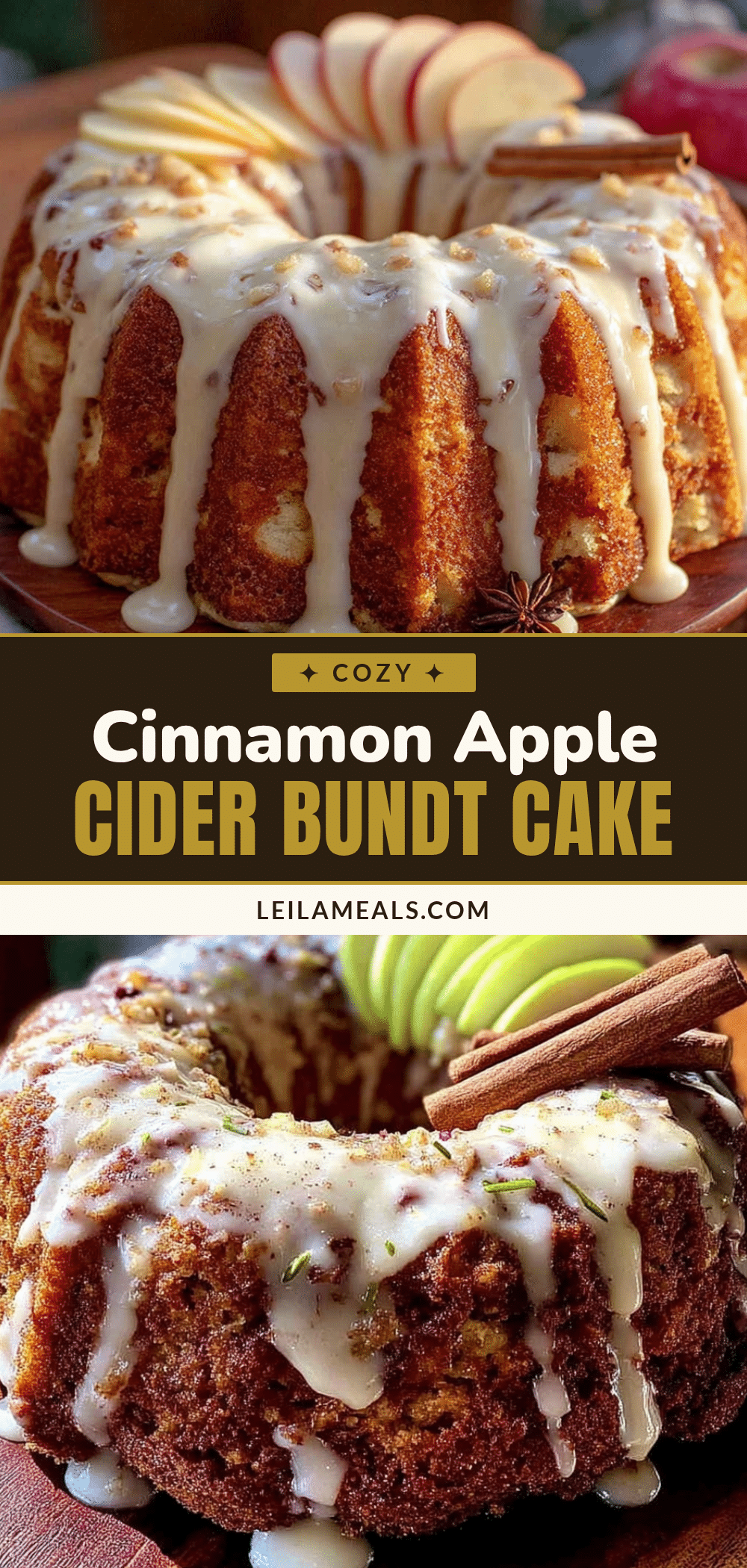
Cozy Cinnamon Apple Cider Bundt Cake (Easy Recipe)

A dense, spiced bundt cake made with reduced apple cider and warm fall spices. Perfect for cozy evenings, this easy recipe delivers a tender crumb and a rich, concentrated apple flavor that will make your house smell like autumn.
- Prep Time: 15 minutes
- Cook Time: 45-55 minutes
- Total Time: 1 hour 15 minutes
- Yield: 12 servings 1x
- Category: Dessert
- Cuisine: American
Ingredients
- 2 cups apple cider
- 2 ½ cups all-purpose flour
- 1 ½ cups granulated sugar
- ½ cup light brown sugar, packed
- 1 cup unsalted butter (2 sticks), softened
- 3 large eggs, room temperature
- 2 teaspoons vanilla extract
- 2 teaspoons baking powder
- ½ teaspoon baking soda
- 1 teaspoon salt
- 2 teaspoons ground cinnamon
- ½ teaspoon ground nutmeg
- ¼ teaspoon ground cloves
- 1 ½ cups powdered sugar
- 3–4 tablespoons heavy cream
Instructions
- Reduce the apple cider: Pour 2 cups of apple cider into a medium saucepan. Bring to a boil over medium-high heat, then reduce to a simmer. Let it bubble for 15-20 minutes until reduced to about ½ cup. Set aside to cool completely.
- Preheat and prep: Preheat oven to 350°F (175°C). Generously grease a 10-12 cup bundt pan with butter or non-stick spray, then dust with flour, tapping out excess.
- Mix dry ingredients: In a large bowl, whisk together flour, baking powder, baking soda, salt, cinnamon, nutmeg, and cloves. Set aside.
- Cream butter and sugars: In a stand mixer or large bowl with a hand mixer, beat softened butter, granulated sugar, and brown sugar on medium speed until light and fluffy, about 3-4 minutes. Scrape down sides as needed.
- Add eggs and vanilla: Add eggs one at a time, beating well after each addition. Mix in vanilla extract until smooth and glossy.
- Alternate dry and wet: With mixer on low, add one-third of dry ingredients, mixing until just combined. Add half of the cooled reduced cider, mix. Repeat with another third of dry, remaining cider, and final third of dry. Mix until just combined. Fold with a spatula to ensure even incorporation.
- Bake: Pour batter into prepared bundt pan and smooth the top. Bake for 45-55 minutes, or until a toothpick inserted into the center comes out clean or with a few moist crumbs. The top should be deep golden brown.
- Cool in pan: Place pan on a cooling rack and let cool for 15 minutes. Invert onto rack and gently lift off pan. Let cool completely, at least 1 hour.
- Make glaze: Whisk together powdered sugar and 3 tablespoons heavy cream. Add more cream, one teaspoon at a time, until thick but pourable. Drizzle over completely cooled cake.
Notes
Don’t skip reducing the cider—it concentrates the flavor. Room temperature ingredients are key for a tender crumb. Grease the bundt pan thoroughly to prevent sticking. Check for doneness at 45 minutes. The cake tastes even better the next day. For a dairy-free version, use vegan butter and coconut cream in the glaze.
Nutrition
- Serving Size: 1 slice
- Calories: 380
- Sugar: 34
- Sodium: 320
- Fat: 18
- Saturated Fat: 11
- Carbohydrates: 52
- Fiber: 1
- Protein: 4
Keywords: apple cider bundt cake, fall cake, cinnamon apple cake, easy bundt cake, apple cider recipe, autumn dessert