Early Sunday morning, just as the kitchen light flickers on and the world outside is still wrapped in a quiet hush, the aroma of roasting vegetables begins to fill the air. It’s a simple ritual I’ve come to treasure — the slow, steady crackle of the oven, the soft colors of sweet potatoes and beets caramelizing gently as the house wakes up with me. There’s something grounding about assembling a healthy Buddha bowl with roasted veggies at this gentle hour. Not rushed, not for show, but for the kind of nourishment that feels like a small act of kindness toward myself.
The bowl is more than just a meal; it’s a quiet moment stitched into the fabric of my week. Each ingredient roasted to tender perfection, layered with vibrant greens and a drizzle of tangy dressing, reminds me why this recipe stuck around. It’s easy, wholesome, and honest—nothing flashy, just real food that fills the belly and calms the mind. I remember the first time I made it, a chilly October morning when the last of the season’s root vegetables begged to be used. The result was so satisfying that I kept coming back to it, tweaking and tuning until it became my go-to for busy days.
Honestly, this healthy Buddha bowl with roasted veggies isn’t about impressing anyone but yourself. It’s the kind of meal that makes you pause and appreciate simple things—the crunch of toasted chickpeas, the sweetness of roasted carrots, the earthiness of quinoa. It’s not rushed; it’s a quiet promise that good food can be easy, comforting, and just right. That’s why I keep this recipe in my rotation, especially when I need a meal prep win that won’t weigh me down.
At the end of the day, it’s the kind of bowl that makes you feel seen by your own kitchen. And that, to me, is enough.
Why You’ll Love This Healthy Buddha Bowl with Roasted Veggies
After testing countless versions of this bowl, I can say it’s become a reliable standby for good reason. This recipe ticks all the boxes for anyone who wants something healthy without the fuss.
- Quick & Easy: Roasting veggies takes about 30 minutes, and the whole bowl comes together in under 45. Perfect for those hectic weekdays or when you need a nutritious fix on the fly.
- Simple Ingredients: Everything is pantry-friendly or easy to find at your local market—no specialty stores required. I usually grab organic carrots and sweet potatoes from my farmer’s market for best flavor.
- Perfect for Meal Prep: This bowl holds up well in the fridge, so you can batch cook and enjoy healthy lunches or dinners all week long.
- Crowd-Pleaser: Even picky eaters tend to enjoy the mix of textures and flavors. The roasted veggies get a natural sweetness that’s hard not to love.
- Unbelievably Delicious: The key is the balance—roast the veggies until caramelized yet tender, toss with a lemony tahini dressing, and you have a bowl that feels indulgent but is guilt-free.
What sets this apart from other Buddha bowls I’ve tried is the way the veggies get roasted just right—soft edges with a touch of crispness—and the addition of crunchy toasted chickpeas for texture. Plus, swapping quinoa for brown rice or farro keeps it flexible depending on what you have. I’ve found that blending a little garlic and lemon in the dressing makes the whole thing sing.
This bowl is more than just food; it’s a quiet, satisfying reminder that healthy eating doesn’t have to be complicated. It’s comfort food reimagined for everyday life, perfect for anyone wanting a wholesome, colorful meal that feels like a small celebration of seasonal ingredients.
What Ingredients You Will Need
This healthy Buddha bowl with roasted veggies uses simple, wholesome ingredients to deliver bold flavor and satisfying texture without the fuss. Most of these are staples in my kitchen, and the veggies can be swapped seasonally.
- For the Roasted Veggies:
- Sweet potatoes, peeled and diced (about 2 cups) – adds natural sweetness
- Carrots, sliced into sticks (1 cup) – for earthy flavor and color
- Red bell pepper, cut into chunks (1 medium) – adds brightness
- Beets, peeled and cubed (1 cup) – optional but highly recommended for color and earthiness
- Olive oil (2 tbsp) – use extra virgin for best flavor
- Salt and freshly ground black pepper, to taste
- Dried thyme or rosemary (1 tsp) – a subtle herbaceous note
- For the Grain Base:
- Quinoa (1 cup uncooked) – I prefer Bob’s Red Mill brand for fluffiness
- Vegetable broth or water (2 cups) – for cooking quinoa
- For the Protein & Crunch:
- Canned chickpeas (1 can, drained and rinsed) – toasted for crunch
- Smoked paprika (1/2 tsp) – for seasoning chickpeas
- Sea salt (to taste)
- For the Dressing:
- Tahini (3 tbsp) – creamy and nutty base
- Fresh lemon juice (2 tbsp) – brightens the dressing
- Garlic clove, minced (1 small) – adds punch
- Warm water (2-3 tbsp) – to thin dressing to desired consistency
- Maple syrup or honey (1 tsp, optional) – balances acidity
- Salt and pepper, to taste
- For Garnish:
- Fresh parsley or cilantro, chopped (2 tbsp)
- Sesame seeds or hemp seeds (1 tbsp)
Seasonal swaps work wonderfully here — in summer, I switch out beets for zucchini or summer squash, and in fall, I add roasted Brussels sprouts or parsnips. If you want a gluten-free option, quinoa is naturally gluten-free, and you can swap chickpeas for tofu cubes. For a dairy-free dressing, tahini works perfectly without any adjustments.
Equipment Needed
- Baking Sheet: A rimmed baking sheet for roasting veggies and chickpeas. I prefer a heavy-duty one with a nonstick surface to prevent sticking and ease cleanup.
- Medium Saucepan: For cooking quinoa evenly. A tight-fitting lid helps the grain steam perfectly.
- Mixing Bowls: One for tossing veggies, another for whisking the tahini dressing. Glass or ceramic bowls work well here.
- Whisk or Fork: To blend the dressing until smooth.
- Measuring Cups and Spoons: For precise ingredient amounts, especially for the dressing.
- Colander: To rinse quinoa and chickpeas thoroughly.
If you don’t have a baking sheet, a shallow roasting pan can work but might affect roasting time. For the tahini dressing, a small blender or food processor can speed things up, but I often hand-whisk—there’s something satisfying about that slow mixing.
Preparation Method
- Preheat your oven to 425°F (220°C). This high heat helps caramelize the veggies and crisp the chickpeas.
- Prepare the veggies: In a large bowl, toss the diced sweet potatoes, carrots, red bell pepper, and beets with olive oil, salt, pepper, and dried herbs. Make sure everything is coated evenly.
- Spread the veggies evenly on a baking sheet. Roast for about 30-35 minutes, stirring halfway through, until tender and golden around the edges. You want a nice balance of softness and a little crispness—this is key for texture.
- While the veggies roast, prepare the quinoa: Rinse 1 cup quinoa under cold water to remove bitterness. Add quinoa and 2 cups vegetable broth or water to a saucepan. Bring to a boil, then reduce to simmer, cover, and cook for 15 minutes. After cooking, fluff with a fork and set aside.
- Toast the chickpeas: Pat the rinsed chickpeas dry with a towel. Toss with olive oil, smoked paprika, and sea salt. Spread on a separate baking sheet and roast alongside the veggies for about 20-25 minutes until crispy, shaking the pan occasionally. Keep an eye to avoid burning.
- Make the tahini dressing: In a small bowl, whisk together tahini, lemon juice, minced garlic, and maple syrup. Add warm water 1 tablespoon at a time until you reach a smooth, pourable consistency. Season with salt and pepper.
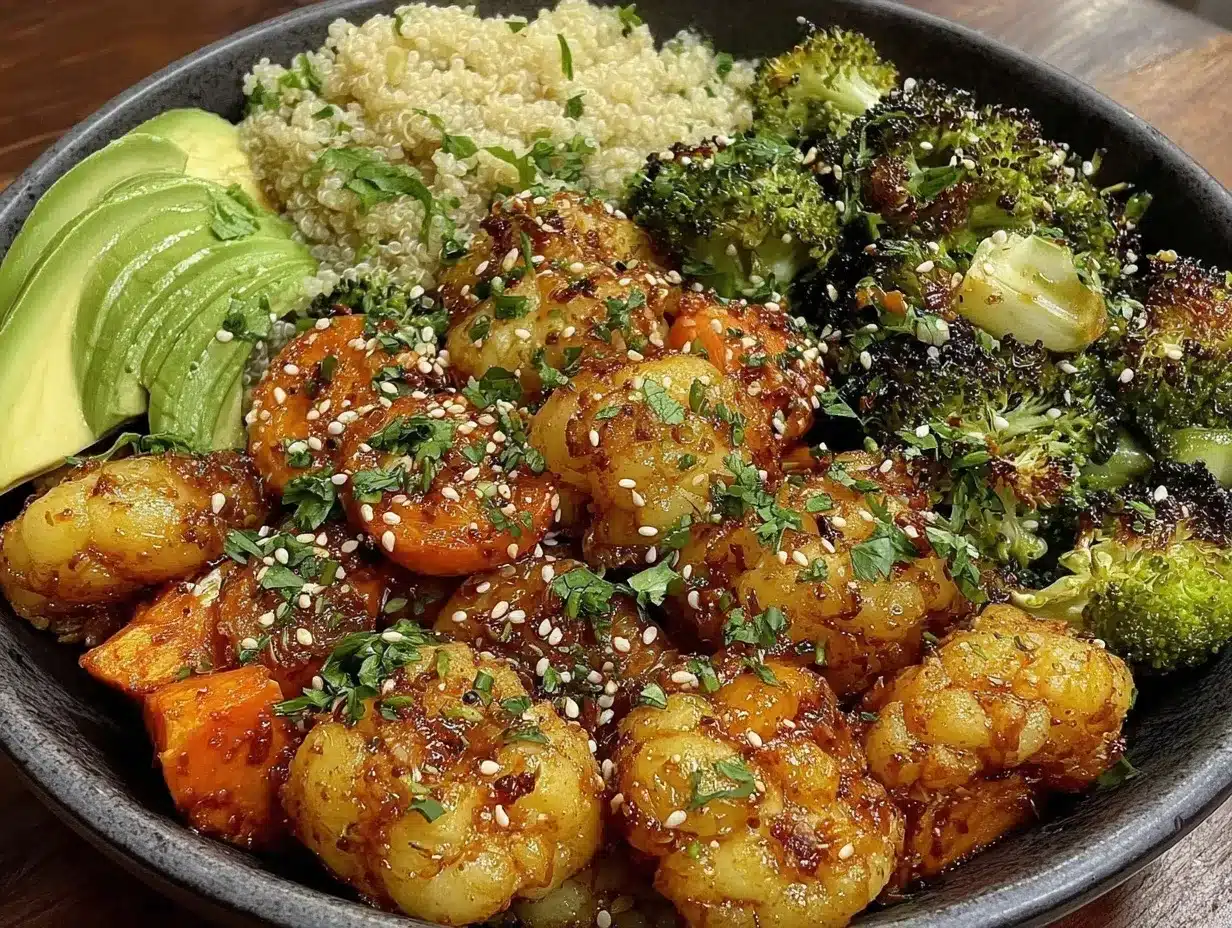
- Assemble the bowl: Start with a base of quinoa, then pile on the roasted veggies and crispy chickpeas. Drizzle generously with tahini dressing.
- Garnish with fresh herbs and seeds. This final touch adds freshness and a little crunch.
- Serve warm or room temperature. It holds well for meal prep, too—just store the dressing separately until ready to eat.
Tip: If your beets take longer to roast, you can parboil them for 10 minutes beforehand to speed things up. Also, stirring veggies halfway through roasting ensures even browning. I learned the hard way that overcrowding the pan leads to steaming rather than roasting, so give those veggies space!
Cooking Tips & Techniques
Roasting is the heart of this recipe, so getting it right is worth the attention. Here are a few things I’ve learned over time:
- Don’t skip preheating the oven. A hot oven ensures a good sear on the veggies rather than soggy steam.
- Cut veggies uniformly. This helps everything cook evenly and prevents some pieces from burning while others remain underdone.
- Pat chickpeas thoroughly dry before roasting. Moisture is the enemy of crispiness. I often roll them between paper towels a couple of times.
- Use a light hand with oil. Too much oil can weigh down the veggies and make the bowl greasy.
- Stir the tahini dressing well. Tahini tends to seize up if cold, so adding warm water gradually helps it smooth out perfectly.
- For meal prep, keep the dressing separate. Drizzle just before eating to avoid soggy ingredients.
One mistake I made early on was trying to roast everything together without attention to timing. Some veggies cook faster, so I now roast chickpeas separately and add quicker-cooking veggies later. It makes a noticeable difference!
Variations & Adaptations
This Buddha bowl is endlessly adaptable, which is part of the charm. Here are some ways to make it your own:
- Protein swaps: Replace chickpeas with roasted tofu cubes or grilled chicken for a non-vegetarian option.
- Grain alternatives: Try brown rice, farro, or even cauliflower rice if you want a low-carb version.
- Seasonal veggies: In spring, asparagus and snap peas work well. Winter calls for roasted Brussels sprouts and parsnips.
- Dressing twists: Add a spoonful of miso paste to the tahini dressing for umami depth or swap lemon for lime for a sharper zing.
- Nut allergies: If tahini (sesame) isn’t an option, use sunflower seed butter or a simple olive oil and lemon dressing.
Personally, I once tried adding a little pickled red onion on top for a tangy contrast, which was a delightful surprise. And if you want to turn this into a more indulgent meal, topping with crumbled feta or a fried egg adds richness without much effort.
Serving & Storage Suggestions
This bowl is best enjoyed fresh or at room temperature, making it perfect for quick lunches or light dinners. I like to serve it in a shallow, wide bowl so the colors and textures can be appreciated visually—it’s as much about the experience as the taste.
Pair it with a crisp glass of white wine or a sparkling water with lemon for a refreshing balance. For a heartier meal, a side of warm flatbread or a slice of crusty sourdough works beautifully.
For leftovers, store the roasted veggies and quinoa in airtight containers in the fridge for up to 4 days. Keep the tahini dressing separate to prevent sogginess. When reheating, warm the grain and veggies gently in the microwave or on the stove, then add the dressing fresh.
Flavors deepen after a day or two, especially the roasted veggies, making this bowl just as good—if not better—the next day. I often pack it alongside my favorite easy snacks for a balanced midday meal, similar to how I pair bites with my savory mini apple pie bites with cheddar crust for a fun twist on wholesome eating.
Nutritional Information & Benefits
This bowl is a powerhouse of nutrients:
- High in fiber and complex carbs from quinoa and roasted root veggies, which support digestion and steady energy.
- Plant-based protein from chickpeas fuels muscle repair and keeps you full longer.
- Rich in vitamins A and C from carrots and bell peppers, plus antioxidants from beets.
- Tahini adds healthy fats and calcium, important for bone health.
- Gluten-free and dairy-free by default, making it suitable for many dietary needs.
From a wellness perspective, this bowl feels balanced without being heavy. It’s the kind of meal I turn to when I want something that nourishes both body and mind, without the sluggish aftermath.
Conclusion
This healthy Buddha bowl with roasted veggies has become more than just a recipe for me—it’s a reminder that simple, wholesome food can be meaningful and satisfying. It’s flexible enough to fit into busy weeks and special enough to feel like a small celebration of good ingredients.
Feel free to make it your own, play with veggies and dressings, and find what speaks to your taste buds. I love how this bowl always feels fresh, even when I make it repeatedly, and it’s helped me appreciate the quiet joy of nourishing myself with intention.
If you try it, I’d love to hear how you customize your bowls or what your favorite roasted veggies are. Sharing those little tweaks makes cooking feel like a shared adventure, even when done solo. Here’s to many cozy kitchen moments ahead!
Frequently Asked Questions
Can I make this Buddha bowl vegan?
Yes! This recipe is naturally vegan. Just double-check that your tahini and other ingredients are free from animal products.
How long will leftovers keep in the fridge?
Stored separately, the roasted veggies and quinoa will keep well for up to 4 days. Keep the dressing in a separate container and add just before eating.
What other veggies can I use if I don’t have beets?
Try zucchini, Brussels sprouts, or butternut squash depending on the season. Roasting times may vary slightly.
Can I prepare this bowl without roasting the veggies?
Roasting brings out the sweetness and texture that define this bowl, but you can use steamed or raw veggies if in a pinch—just expect a different flavor profile.
Is this recipe suitable for meal prep?
Absolutely! The components store well separately and can be assembled quickly for grab-and-go meals during the week.
Pin This Recipe!
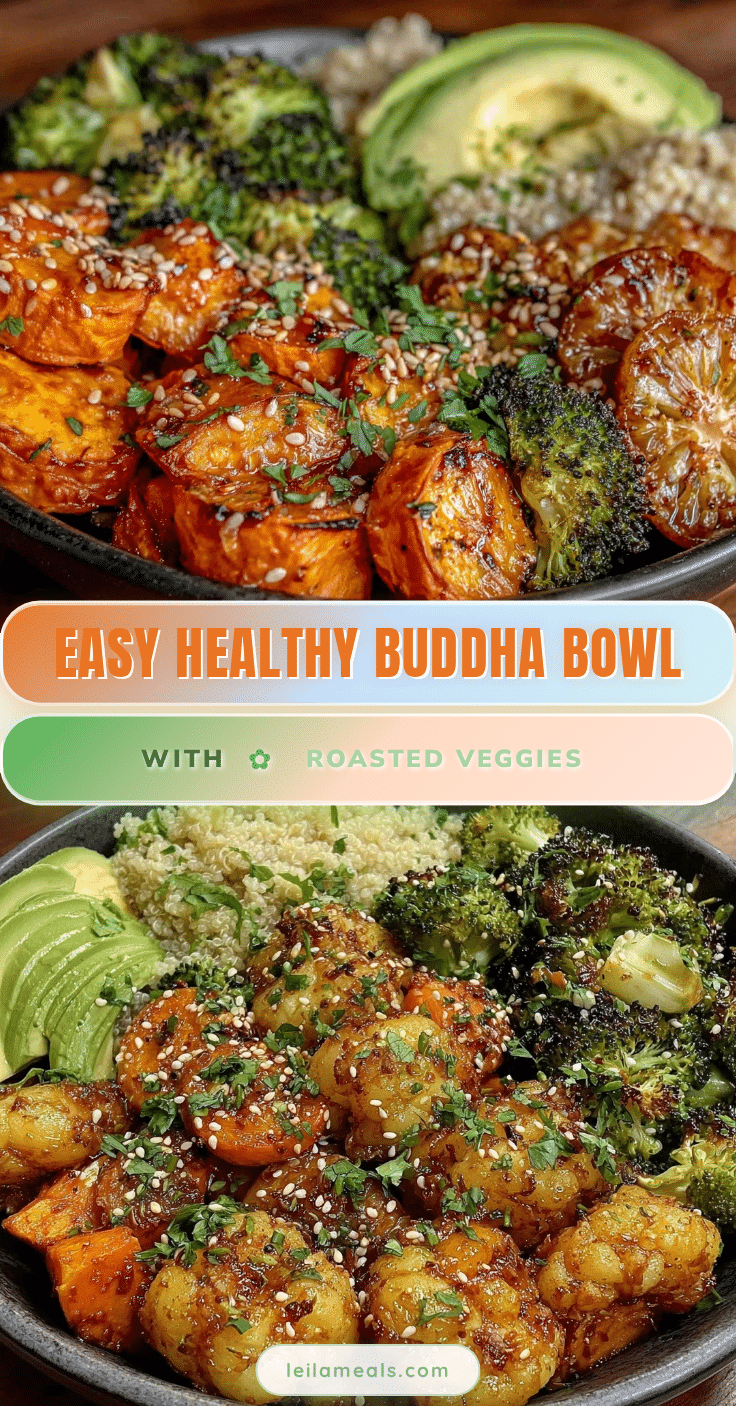
Healthy Buddha Bowl with Roasted Veggies

A wholesome and easy meal prep recipe featuring roasted vegetables, quinoa, toasted chickpeas, and a tangy tahini dressing. Perfect for a nutritious, colorful, and satisfying bowl that holds well for leftovers.
- Prep Time: 15 minutes
- Cook Time: 35 minutes
- Total Time: 50 minutes
- Yield: 4 servings 1x
- Category: Main Course
- Cuisine: Fusion
Ingredients
- 2 cups sweet potatoes, peeled and diced
- 1 cup carrots, sliced into sticks
- 1 medium red bell pepper, cut into chunks
- 1 cup beets, peeled and cubed (optional)
- 2 tbsp extra virgin olive oil
- Salt and freshly ground black pepper, to taste
- 1 tsp dried thyme or rosemary
- 1 cup quinoa (uncooked)
- 2 cups vegetable broth or water
- 1 can chickpeas, drained and rinsed
- 1/2 tsp smoked paprika
- Sea salt, to taste
- 3 tbsp tahini
- 2 tbsp fresh lemon juice
- 1 small garlic clove, minced
- 2–3 tbsp warm water
- 1 tsp maple syrup or honey (optional)
- Salt and pepper, to taste
- 2 tbsp fresh parsley or cilantro, chopped
- 1 tbsp sesame seeds or hemp seeds
Instructions
- Preheat your oven to 425°F (220°C).
- In a large bowl, toss the diced sweet potatoes, carrots, red bell pepper, and beets with olive oil, salt, pepper, and dried herbs until evenly coated.
- Spread the veggies evenly on a baking sheet and roast for 30-35 minutes, stirring halfway through, until tender and golden around the edges.
- Rinse 1 cup quinoa under cold water. Add quinoa and 2 cups vegetable broth or water to a saucepan. Bring to a boil, then reduce to simmer, cover, and cook for 15 minutes. Fluff with a fork and set aside.
- Pat the rinsed chickpeas dry with a towel. Toss with olive oil, smoked paprika, and sea salt. Spread on a separate baking sheet and roast alongside the veggies for 20-25 minutes until crispy, shaking the pan occasionally.
- In a small bowl, whisk together tahini, lemon juice, minced garlic, and maple syrup. Add warm water 1 tablespoon at a time until smooth and pourable. Season with salt and pepper.
- Assemble the bowl by starting with a base of quinoa, then pile on the roasted veggies and crispy chickpeas. Drizzle generously with tahini dressing.
- Garnish with fresh herbs and seeds.
- Serve warm or at room temperature. Store dressing separately if meal prepping.
Notes
If beets take longer to roast, parboil them for 10 minutes beforehand. Stir veggies halfway through roasting for even browning. Pat chickpeas dry thoroughly before roasting to ensure crispiness. Keep dressing separate when storing for meal prep to avoid sogginess.
Nutrition
- Serving Size: 1 bowl (approximatel
- Calories: 420
- Sugar: 9
- Sodium: 320
- Fat: 15
- Saturated Fat: 2
- Carbohydrates: 55
- Fiber: 12
- Protein: 14
Keywords: healthy Buddha bowl, roasted veggies, quinoa bowl, meal prep, vegan, gluten-free, tahini dressing, plant-based protein


