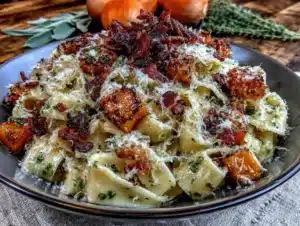
The last piece of pasta was gone before I realized I hadn’t saved any for lunch tomorrow. My husband was scraping the pan with a piece of bread — not even good bread, just the heel of a sandwich loaf. And honestly? I didn’t blame him.
This brown butter butternut squash pasta with sage started as a “what’s in the fridge” experiment one chilly Tuesday. I had a sad-looking butternut squash sitting on the counter, some fresh sage threatening to wilt, and a half-box of pasta. Nothing special, right? But then I browned the butter — that nutty, golden transformation that smells like fall in a pan — and everything changed.
The sweet squash caramelized in the same pan, the sage leaves turned crispy and paper-thin, and suddenly my ordinary Tuesday felt like something worth sitting down for. It’s the kind of meal that doesn’t announce itself loudly. It just quietly becomes the thing you crave when the air gets crisp and the days get short.
I’ve made this cozy brown butter butternut squash pasta with sage at least a dozen times since that first night. Each time, it feels a little more like mine — like I’ve finally figured out how to bottle up autumn and pour it over a bowl of noodles.
Why You’ll Love This Recipe
I’ve tested this recipe more times than I care to admit. I’ve burned the butter (twice), undercooked the squash, and overseasoned the pasta water until it tasted like the ocean. But each failure taught me something, and what I’m sharing with you today is the version that finally made me close my eyes and say “okay, that’s it.”
- Quick & Easy: This comes together in about 35 minutes. No complicated techniques, no endless chopping. Brown butter sounds fancy, but it’s really just melted butter that you don’t walk away from.
- Simple Ingredients: You need pasta, a butternut squash, butter, sage, garlic, and a few pantry staples. That’s it. No cream, no heavy sauces — just pure, concentrated flavor.
- Perfect for Fall: This is the dish you make when you want to taste the season. It’s warm, nutty, slightly sweet, and deeply satisfying. Pair it with a cozy spiced pumpkin chai latte for the ultimate autumn evening.
- Crowd-Pleaser: I’ve served this to picky kids, vegan friends (use plant-based butter), and my dad who “doesn’t like squash.” Every single one of them asked for seconds.
- Unbelievably Delicious: The brown butter does something magical to the squash. It brings out its natural sweetness while adding a toasty, nutty depth that no other cooking method can replicate. And the crispy sage? Pure poetry.
This isn’t just another pasta recipe. It’s the one where the ingredients transform into something greater than themselves. The butter becomes golden and fragrant. The squash becomes tender and caramelized. The sage becomes crunchy and aromatic. Together, they create a dish that tastes like you spent hours in the kitchen — when really, you just let the ingredients do the work.
What Ingredients You Will Need
This recipe uses simple, seasonal ingredients that do the heavy lifting on flavor. No cream, no complicated sauces — just good butter, good squash, and a little patience.
For the Pasta
- 12 ounces (340g) dried pasta — I recommend a short, sturdy shape like rigatoni, fusilli, or orecchiette. The ridges catch all that brown butter goodness. De Cecco or Barilla are my go-to brands for consistent texture.
- 1 medium butternut squash (about 2 pounds / 900g) — Look for one that feels heavy for its size and has no soft spots. You’ll peel, seed, and cube it into ½-inch pieces. (Pro tip: buy pre-cut squash to save time — just make sure the pieces are uniform in size.)
- 6 tablespoons (84g) unsalted butter — Use a good quality butter here. European-style butter has a higher fat content and browns more evenly, but regular unsalted butter works beautifully too.
- 10-12 fresh sage leaves — Fresh sage is non-negotiable here. Dried sage won’t crisp up and has a different flavor profile entirely. Look for leaves that are vibrant green and not wilted.
- 3 cloves garlic, thinly sliced — We’re not mincing here. Thin slices allow the garlic to soften and caramelize without burning.
- ½ cup (60g) grated Parmesan cheese — Plus more for serving. Grate it yourself from a block — the pre-shredded stuff has anti-caking agents that prevent smooth melting.
- Salt and black pepper — Use kosher salt for the pasta water and flaky salt for finishing.
- ½ teaspoon red pepper flakes (optional) — For a gentle warmth that balances the sweetness of the squash.
- Zest of 1 lemon — This is my secret weapon. A bright, citrusy finish that cuts through the richness of the brown butter.
Ingredient Selection Tips
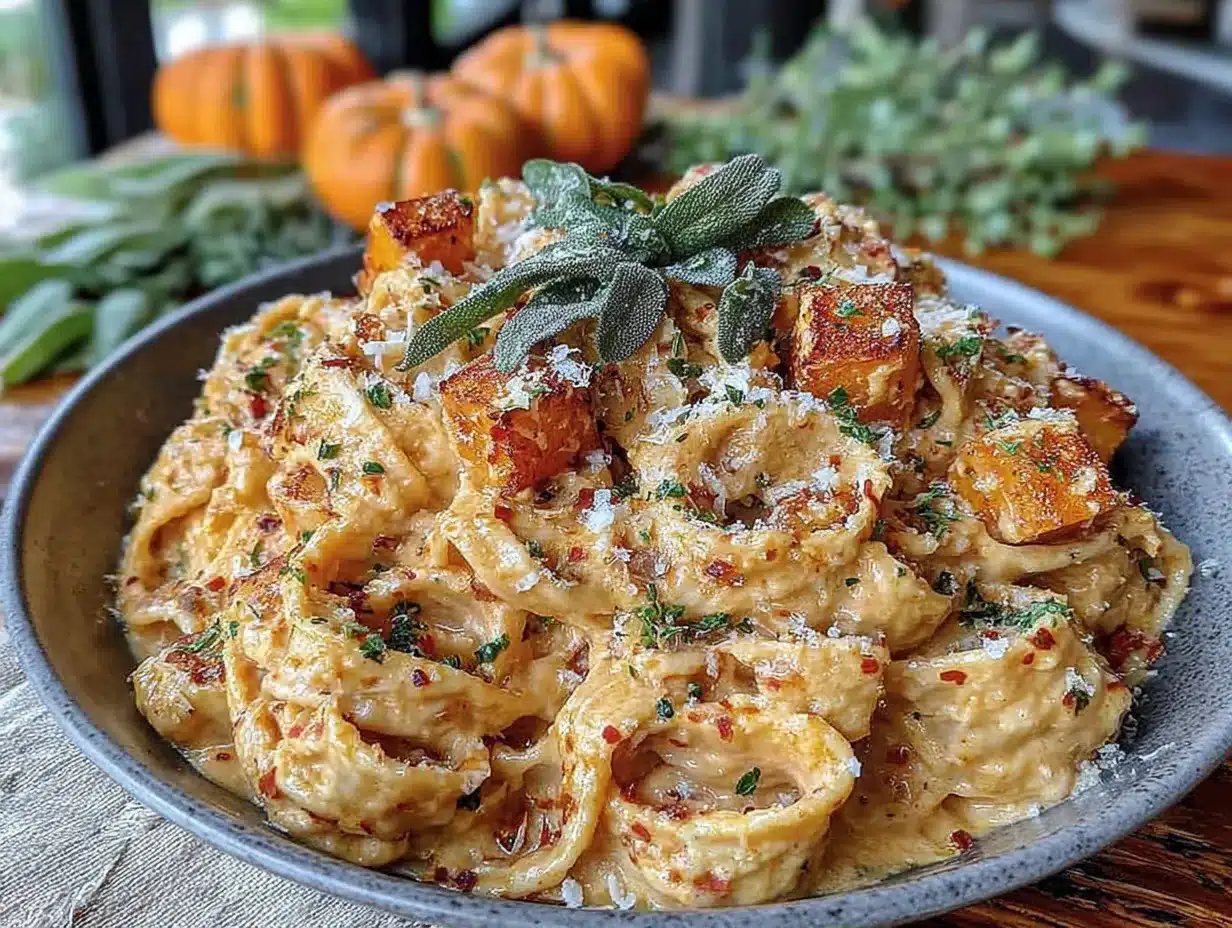
For the best results, choose a butternut squash with a long neck — it’s easier to peel and has fewer seeds. If you’re using pre-cubed squash, look for pieces that are bright orange and firm, not pale or mushy. And please, please use fresh sage. It makes all the difference.
Substitution Guidance
- Gluten-free: Use your favorite gluten-free pasta. Brown rice or chickpea pasta work well here.
- Vegan: Substitute the butter with a high-quality plant-based butter (Miyoko’s is my favorite) and use nutritional yeast or vegan Parmesan in place of the cheese.
- Nut-free: This recipe is naturally nut-free, but double-check your pasta if you’re serving someone with severe allergies.
- No butternut squash?: Kabocha or delicata squash work beautifully. Even sweet potato will do in a pinch — just adjust the cooking time slightly.
Equipment Needed
You don’t need a fancy kitchen to make this. Here’s what you’ll actually use:
- Large pot (6-8 quart) — For boiling pasta. Don’t crowd the pasta; it needs room to move.
- Large skillet or sauté pan (12-inch) — A wide, heavy-bottomed pan is crucial for browning butter evenly and giving the squash room to caramelize. A stainless steel or cast iron skillet works best — nonstick can work, but you won’t get the same fond (those browned bits) on the bottom.
- Sharp chef’s knife — Butternut squash is tough. A dull knife is a recipe for frustration (and potential injury).
- Vegetable peeler — A Y-shaped peeler makes quick work of the squash skin.
- Wooden spoon or silicone spatula — For stirring and scraping up all that glorious brown butter goodness.
- Microplane or fine grater — For zesting the lemon and grating fresh Parmesan.
- Colander — For draining pasta. And please, reserve that pasta water!
If you don’t have a large skillet, use a Dutch oven instead. It conducts heat evenly and gives you plenty of surface area for browning. And if you’re new to browning butter, use a light-colored pan — it makes it easier to see when the butter changes color.
Preparation Method
Step 1: Prep the Squash (5 minutes)
Peel the butternut squash with a vegetable peeler. Cut off the top and bottom, then slice it in half where the neck meets the bulb. Cut each piece in half lengthwise and scoop out the seeds with a spoon. Cube the flesh into ½-inch pieces. Aim for uniform size so everything cooks evenly. (Don’t stress too much — close enough is fine.)
Step 2: Cook the Pasta (8-10 minutes)
Bring a large pot of generously salted water to a rolling boil. Add the pasta and cook until al dente — about 1 minute less than the package directions. Before draining, reserve 1 cup of the starchy pasta water. Drain the pasta and set aside. Don’t rinse it; you want that starch to help the sauce cling.
Step 3: Brown the Butter (5-7 minutes)
While the pasta cooks, place the butter in your large skillet over medium heat. Let it melt completely, then continue cooking, swirling the pan occasionally. The butter will foam up, then the foam will subside. Watch closely — you’ll see tiny brown specks form at the bottom of the pan. The butter will smell nutty and toasty. This is the moment. Remove the pan from heat immediately to prevent burning. (I’ve learned this the hard way. Burnt butter is bitter butter.)
Step 4: Crisp the Sage (2 minutes)
Add the sage leaves to the hot brown butter. They’ll sizzle and crisp up in about 30-60 seconds. Use tongs to transfer them to a paper towel-lined plate. They’ll continue to crisp as they cool. Don’t overcrowd the pan — work in batches if needed.
Step 5: Cook the Squash (10-12 minutes)
Return the skillet to medium heat. Add the cubed squash in a single layer (work in batches if your pan is small). Cook without stirring for 3-4 minutes to get a nice golden-brown crust. Then stir and continue cooking for another 6-8 minutes, stirring occasionally, until the squash is fork-tender and caramelized in spots. Add the sliced garlic and red pepper flakes (if using) during the last 2 minutes. Season with salt and pepper.
Step 6: Bring It All Together (3 minutes)
Add the drained pasta to the skillet with the squash. Pour in about ½ cup of the reserved pasta water and toss everything together over medium heat. The starchy water will emulsify with the brown butter, creating a silky sauce that coats every piece of pasta. Add the grated Parmesan and toss until melted and creamy. If the sauce seems too thick, add more pasta water a tablespoon at a time. Finish with the lemon zest and a squeeze of lemon juice.
Step 7: Serve (1 minute)
Divide the pasta among warm bowls. Top with the crispy sage leaves and an extra shower of Parmesan. Finish with flaky salt and a crack of black pepper. Serve immediately — this dish waits for no one.
Cooking Tips & Techniques
Let me save you from my mistakes. Here’s what I’ve learned after making this more times than I can count.
The Butter Won’t Wait
Brown butter is a game of seconds. Once you see those brown specks form and smell that nutty aroma, pull the pan off the heat. The residual heat will continue cooking the butter. If you wait too long, you’ll have burnt butter — and there’s no coming back from that. I’ve done it. It’s sad.
Don’t Crowd the Squash
If your pan is too full, the squash will steam instead of caramelize. You want golden-brown edges, not pale, sad cubes. Cook in batches if you need to. Trust me, the extra 5 minutes is worth it.
Save That Pasta Water
I cannot stress this enough. The starchy pasta water is what transforms your brown butter into a silky, luxurious sauce. Without it, you’ll have greasy pasta with butter pooling at the bottom. With it? Magic. Add it slowly and watch the sauce come together.
Multitasking is Your Friend
Start the pasta water first. While it comes to a boil, prep the squash. While the pasta cooks, brown the butter and crisp the sage. By the time the pasta is done, your squash should be almost ready. Everything comes together in a beautiful, coordinated dance. (Or, you know, controlled chaos. That works too.)
Season as You Go
Don’t wait until the end to season. Salt the pasta water (it should taste like the sea). Season the squash as it cooks. Taste the final dish and adjust. Layered seasoning creates depth. End-of-dish seasoning creates… well, salty pasta.
Variations & Adaptations
This recipe is wonderfully flexible. Here are some ways to make it your own.
Add Protein
Leftover roasted chicken, crumbled Italian sausage, or crispy bacon bits are all excellent additions. I’ve also tossed in some sautéed mushrooms for a vegetarian version that feels extra hearty. If you’re looking for another cozy meal, try this with my creamy slow cooker cheeseburger potato soup on a cold night.
Make It Vegan
Use a good plant-based butter (I like Miyoko’s or Earth Balance) and skip the Parmesan or use a vegan alternative. The brown butter effect still works beautifully with vegan butter — just watch it closely as it can burn faster.
Change the Pasta Shape
Rigatoni is my first choice, but orecchiette (little ears) catch the sauce in their curves, and pappardelle (wide ribbons) give you a more elegant presentation. Even spaghetti works in a pinch — just make sure to reserve extra pasta water.
Add Greens
Toss in a handful of baby spinach or kale during the last minute of cooking. It wilts right into the sauce and adds color and nutrients. I’ve also added roasted Brussels sprouts (halved) for extra fall flavor.
Make It Spicy
Double the red pepper flakes, or add a pinch of cayenne with the garlic. The heat cuts through the richness of the brown butter beautifully. For a more complex heat, try a drizzle of chili oil at the end.
Serving & Storage Suggestions
Serving
Serve this pasta piping hot, straight from the skillet. The brown butter sauce thickens as it cools, so you want it warm and silky. I like to serve it in shallow bowls with extra Parmesan on the side and a simple green salad dressed with lemon vinaigrette. A glass of crisp white wine (Sauvignon Blanc or Pinot Grigio) is lovely, but honestly, it’s just as good with a cold beer.
For a complete fall meal, pair this with a simple fall harvest charcuterie board to start, and finish with cozy small batch pumpkin muffins for dessert.
Storage
This pasta is best eaten fresh, but leftovers will keep in an airtight container in the refrigerator for up to 3 days. The brown butter sauce will be absorbed by the pasta overnight, so don’t expect the same saucy consistency the next day — it’ll be more like a pasta salad, which is still delicious.
Reheating
To reheat, add a splash of water or broth to a skillet over medium heat. Add the pasta and toss until warmed through. The liquid will help loosen the sauce. You can also microwave individual portions with a damp paper towel over the bowl for about 60-90 seconds.
Freezing
I don’t recommend freezing this dish. The pasta becomes mushy and the sauce separates when thawed. If you want to prep ahead, cube the squash and store it in the refrigerator for up to 3 days. You can also brown the butter and crisp the sage up to 2 days in advance.
Nutritional Information & Benefits
This recipe makes about 4 generous servings. Here’s the estimated nutritional breakdown per serving:
- Calories: 520
- Protein: 16g
- Fat: 22g
- Carbohydrates: 68g
- Fiber: 7g
- Sugar: 8g
- Sodium: 480mg
Health Benefits
Butternut squash is a nutritional powerhouse. It’s packed with vitamin A (one serving provides over 100% of your daily needs), vitamin C, potassium, and fiber. The beta-carotene in squash supports eye health and immune function — especially important during fall and winter. Sage is rich in antioxidants and has anti-inflammatory properties. And yes, butter has its place in a balanced diet. The key is moderation and using quality ingredients.
Dietary Considerations
This recipe is vegetarian and can easily be made gluten-free or vegan with the substitutions mentioned above. It contains dairy (butter and Parmesan) and gluten (pasta), so it’s not suitable for those with allergies to these ingredients without modifications.
Conclusion
This cozy brown butter butternut squash pasta with sage has become my go-to for those evenings when I need something warm, comforting, and a little bit special without spending hours in the kitchen. It’s the kind of meal that feels like a hug in a bowl — nutty, sweet, savory, and deeply satisfying.
I love that it’s flexible enough to adapt to whatever you have on hand, yet impressive enough to serve to company. The brown butter does all the heavy lifting, transforming simple ingredients into something that tastes far more complex than it is.
If you make this recipe — and I really hope you do — please come back and let me know how it turned out. Did you add something unexpected? Did your family fight over the last crispy sage leaf? I want to hear about it. Leave a comment below or tag me on social media. Your adaptations might just inspire someone else’s dinner tonight.
Until next time, happy cooking — and don’t walk away from that butter.
Frequently Asked Questions
Can I use pre-cut butternut squash from the store?
Absolutely! Pre-cut squash saves a ton of time. Just make sure the pieces are roughly the same size (about ½-inch cubes) so they cook evenly. Pre-cut squash tends to be a bit drier, so you might need to add an extra splash of pasta water to keep the sauce silky.
What if I can’t find fresh sage?
Fresh sage is really important for this recipe — the crispy sage leaves are a key texture and flavor element. If you can’t find it, you can skip the crispy sage garnish and use 1 teaspoon of dried sage, rubbed between your fingers, added to the brown butter when you cook the squash. It won’t be the same, but it’ll still be delicious.
Can I make this ahead of time for a dinner party?
You can prep the components ahead: cube the squash, brown the butter, and crisp the sage up to 2 days in advance. Store them separately in the refrigerator. When you’re ready to serve, cook the pasta, sauté the squash, and toss everything together. It takes about 15 minutes to finish. Just know that the pasta is best served immediately — it doesn’t sit well.
My brown butter burned. What did I do wrong?
It happens to all of us! The most common mistake is walking away from the pan. Brown butter goes from perfect to burnt in about 30 seconds. Use medium heat (not high), swirl the pan frequently, and watch for the color change from pale yellow to golden to light brown. The moment you see brown specks and smell that nutty aroma, pull it off the heat. If it smells bitter or looks dark brown, start over.
Can I use a different type of squash?
Yes! Kabocha, delicata, or even acorn squash work well. Kabocha has a sweeter, denser flesh that holds up beautifully. Delicata doesn’t need to be peeled (the skin is edible), which saves prep time. Sweet potatoes are also a great substitute — just note that they’ll be slightly sweeter and less firm. Adjust cooking time as needed since different squashes cook at different rates.
Pin This Recipe!
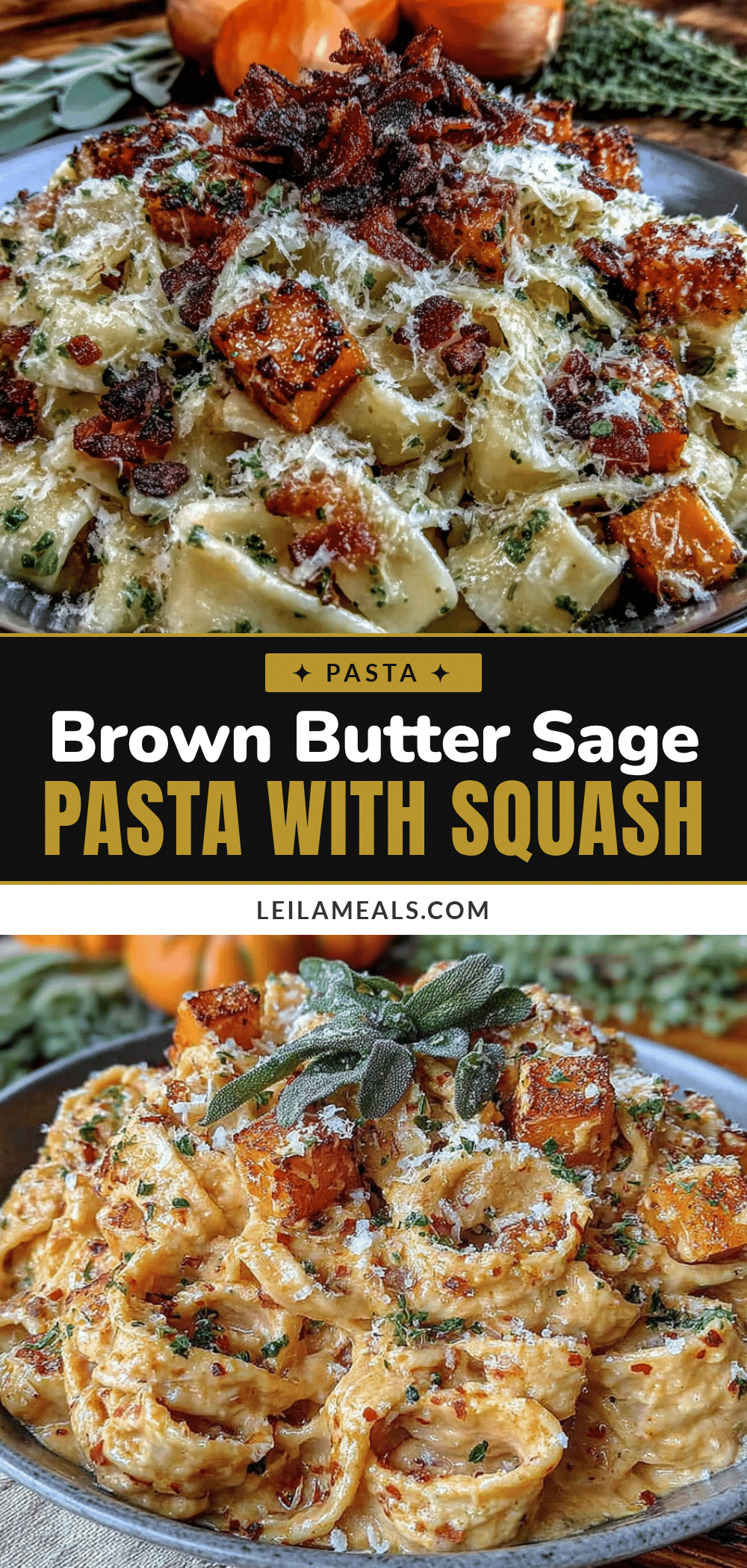
Cozy Brown Butter Butternut Squash Pasta with Sage | Easy Fall Dinner
This cozy brown butter butternut squash pasta with sage is a quick and easy fall dinner that transforms simple ingredients into a warm, nutty, and deeply satisfying meal. The brown butter brings out the natural sweetness of the squash, while crispy sage leaves add a delightful crunch.
- Prep Time: 15 minutes
- Cook Time: 20 minutes
- Total Time: 35 minutes
- Yield: 4 servings 1x
- Category: Main Course
- Cuisine: American
Ingredients
- 12 ounces (340g) dried pasta (rigatoni, fusilli, or orecchiette)
- 1 medium butternut squash (about 2 pounds / 900g), peeled, seeded, and cubed into ½-inch pieces
- 6 tablespoons (84g) unsalted butter
- 10–12 fresh sage leaves
- 3 cloves garlic, thinly sliced
- ½ cup (60g) grated Parmesan cheese, plus more for serving
- Salt and black pepper, to taste
- ½ teaspoon red pepper flakes (optional)
- Zest of 1 lemon
Instructions
- Prep the Squash: Peel the butternut squash with a vegetable peeler. Cut off the top and bottom, then slice it in half where the neck meets the bulb. Cut each piece in half lengthwise and scoop out the seeds with a spoon. Cube the flesh into ½-inch pieces.
- Cook the Pasta: Bring a large pot of generously salted water to a rolling boil. Add the pasta and cook until al dente, about 1 minute less than package directions. Before draining, reserve 1 cup of the starchy pasta water. Drain the pasta and set aside (do not rinse).
- Brown the Butter: While the pasta cooks, place the butter in a large skillet over medium heat. Let it melt completely, then continue cooking, swirling the pan occasionally. The butter will foam, then the foam will subside. When tiny brown specks form at the bottom and it smells nutty, remove from heat immediately.
- Crisp the Sage: Add the sage leaves to the hot brown butter. They will sizzle and crisp in about 30-60 seconds. Use tongs to transfer them to a paper towel-lined plate.
- Cook the Squash: Return the skillet to medium heat. Add the cubed squash in a single layer (work in batches if needed). Cook without stirring for 3-4 minutes to get a golden-brown crust. Stir and continue cooking for another 6-8 minutes until fork-tender and caramelized. Add the sliced garlic and red pepper flakes (if using) during the last 2 minutes. Season with salt and pepper.
- Bring It All Together: Add the drained pasta to the skillet with the squash. Pour in about ½ cup of the reserved pasta water and toss over medium heat. Add the grated Parmesan and toss until melted and creamy. If the sauce is too thick, add more pasta water a tablespoon at a time. Finish with lemon zest and a squeeze of lemon juice.
- Serve: Divide the pasta among warm bowls. Top with crispy sage leaves and extra Parmesan. Finish with flaky salt and black pepper. Serve immediately.
Notes
Brown butter can burn quickly; remove from heat as soon as brown specks appear. Do not crowd the squash to ensure caramelization. Reserve pasta water for a silky sauce. This dish is best served immediately.
Nutrition
- Serving Size: 1 serving
- Calories: 520
- Sugar: 8
- Sodium: 480
- Fat: 22
- Saturated Fat: 13
- Carbohydrates: 68
- Fiber: 7
- Protein: 16
Keywords: brown butter, butternut squash, pasta, sage, fall dinner, easy recipe, vegetarian