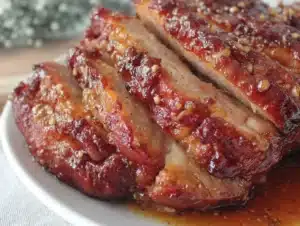
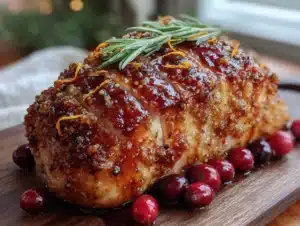
I was elbow-deep in a leaky kitchen sink, muttering things I wouldn’t repeat in polite company, when my plumber, a quiet man named Gary who always smelled faintly of sawdust and coffee, started talking about ham. Not about pipes or water pressure, but about the best small batch ham he’d ever made for a quiet Christmas with his wife. Honestly, I was so surprised I almost dropped the wrench. Here I was, expecting the usual talk about PVC fittings, and instead, I got a detailed description of a brown sugar bourbon glaze that sounded like it came straight from a Southern chef’s dream. Gary, with his toolbox and his gentle way of explaining things, told me the secret was in the balance — not too sweet, not too boozy, just a perfect sticky hug for a small ham that didn’t feed an army.
I’ll be the first to admit, I was skeptical. I mean, the last cooking advice I got from a tradesman involved a blowtorch and a steak, and that didn’t end well. But Gary was persistent, and there was a certain authority in the way he described the glaze bubbling on the stovetop. He told me about the time he forgot the bourbon entirely and used apple juice instead — still good, he said, but not the same. That little human moment, that honest mistake, made me trust him. I scribbled his instructions on the back of an envelope while he tightened a coupling under the sink, and let me tell you, that envelope is now stained with bourbon and sugar, a treasured artifact in my recipe box. Maybe you’ve been there, getting a gem of a recipe from the most unexpected source. It’s the best kind of surprise, isn’t it?
This Best Brown Sugar Bourbon Glazed Ham is the recipe that kept me company on a rainy Sunday afternoon. It’s not for a holiday feast with twenty relatives; it’s for a Tuesday that feels special, or a small gathering where you want the centerpiece to shine without stressing yourself out. The glaze is the star — a simple mix of dark brown sugar, a splash of real bourbon, a little Dijon mustard for tang, and a whisper of cloves. It caramelizes into a sticky, glossy crust that makes the ham taste like a celebration. That first bite, with the sweet and smoky flavors melting together, is why I keep making it. It stayed with me because it proved that the best recipes often come from the least likely places, and that a small batch can feel just as grand as a big one.
Why You’ll Love This Small Batch Ham
This isn’t just another ham recipe. After testing Gary’s method a few times — and, okay, burning the glaze once because I got distracted — I can honestly say this is the best version for a small household. Here’s why it works so well for families on a budget who still want something special.
- Budget-Friendly & Smart: A small ham costs way less than a huge bone-in one, and you won’t be eating leftovers for three weeks. It’s perfect for a family of four or a couple who wants a nice meal without the waste.
- Simple Ingredients: You probably have brown sugar and mustard in your pantry already. The bourbon is a small splurge, but a little goes a long way. No fancy grocery trips required.
- Quick to Prepare: The active prep time is about 15 minutes. The oven does the heavy lifting, giving you time to make a side dish or just relax.
- Crowd-Pleaser: The sweet and savory glaze appeals to picky eaters and adventurous foodies alike. My own kids, who usually turn their noses up at “fancy” meat, cleaned their plates.
- Reheats Beautifully: Leftovers are a gift. The ham stays moist, and the glaze gets even stickier and more delicious the next day. Perfect for sandwiches or a quick dinner.
What makes this recipe different from the rest is the technique. Most glazed ham recipes tell you to just pour the glaze over the ham and bake. But Gary’s method — and I’ve refined it a bit — involves scoring the ham in a diamond pattern, studding it with whole cloves, and applying the glaze in layers. This creates a beautiful, caramelized crust that locks in moisture. The small batch size also means the glaze-to-meat ratio is perfect. Every single slice gets that sweet, bourbon-kissed edge. It’s comfort food reimagined for a smaller table, with the same soul-soothing satisfaction as a holiday feast, but without the stress.
What Ingredients You Will Need
This recipe uses simple, wholesome ingredients to deliver a big, bold flavor. Most of these are pantry staples or easy to find at any grocery store. Let’s break down each one so you know exactly what to look for.
- 1 (3 to 4 pound) bone-in, fully cooked ham half (shank or butt portion): This is the star of the show. I recommend a spiral-cut ham if you can find one in this size, as it makes serving a breeze. If not, a standard half ham works perfectly. Look for one that’s not pre-glazed, so you can control the flavor. (I’ve had good luck with the store brand at my local market — no need to spend extra on a fancy label for this recipe.)
- 1 cup dark brown sugar, firmly packed: Dark brown sugar has more molasses than light brown sugar, which gives the glaze a deeper, almost caramel-like flavor. Don’t substitute with light brown sugar unless you have to — the result will be less rich. If you’re in a pinch, you can make your own by mixing 1 cup of white sugar with 2 tablespoons of molasses.
- 1/4 cup bourbon: Use a bourbon you’d actually drink, but it doesn’t have to be expensive. A mid-range bottle like Evan Williams or Buffalo Trace works wonderfully. The alcohol mostly cooks off, leaving behind a warm, oaky sweetness. For a non-alcoholic version, swap in apple cider or apple juice with a splash of vanilla extract.
- 2 tablespoons Dijon mustard: This is the secret weapon. The tangy mustard cuts through the sweetness of the sugar and bourbon, balancing the glaze perfectly. Don’t use yellow mustard; it’s too sharp and lacks the creamy texture. Whole grain mustard is a great substitute if you want a little texture.
- 1 tablespoon apple cider vinegar: A tiny bit of acid brightens the whole glaze. It also helps the sugar caramelize evenly. White vinegar or lemon juice will work in a pinch.
- 1/2 teaspoon ground cloves (plus whole cloves for studding): Cloves are the classic partner for ham. The ground cloves go into the glaze, while the whole cloves are pressed into the scored ham for a beautiful presentation and a subtle spicy kick. If you don’t have whole cloves, just use an extra 1/4 teaspoon of ground cloves in the glaze.
- 1/4 teaspoon ground cinnamon (optional): I add this for a warm, cozy note that pairs beautifully with the bourbon. It’s not traditional, but it’s become my signature touch. Feel free to leave it out.
That’s it. Seven ingredients, plus the ham. No long list of exotic spices or hard-to-find items. This is the kind of recipe that proves you don’t need a lot to create something memorable. The quality of the ham and the careful balance of the glaze are what matter most.
Equipment Needed
You don’t need a fully stocked kitchen to pull this off. Here’s what you’ll need, along with a few tips from my own experience.
- Roasting pan with a rack: A small roasting pan is ideal, but a 9×13 inch baking dish works just fine. The rack lifts the ham off the bottom of the pan, allowing heat to circulate and the glaze to drip down without the ham sitting in its own juices. If you don’t have a rack, you can use a few crumpled balls of aluminum foil to prop the ham up.
- Small saucepan: For making the glaze. A 1-quart or 2-quart saucepan is perfect. I use a non-stick one for easier cleanup, because that glaze gets sticky!
- Sharp knife: To score the ham. A chef’s knife or a paring knife with a thin blade works best. A dull knife will just tear the meat.
- Pastry brush (silicone is best): For applying the glaze. Silicone brushes are heat-resistant and easy to clean. If you don’t have one, you can use a spoon to drizzle the glaze over the ham, but a brush gives you a more even coat.
- Meat thermometer: This is non-negotiable for me. Even though the ham is fully cooked, you’re reheating it to a safe temperature. An instant-read thermometer is quick and reliable. I’ve had too many dry hams in my past to trust just the timer.
- Aluminum foil: To tent the ham while it rests and to protect the glaze from burning too quickly. Heavy-duty foil is best.
I found a great silicone brush at a discount store for three dollars, and it’s lasted for years. You don’t need fancy equipment, just good tools that work.
Preparation Method
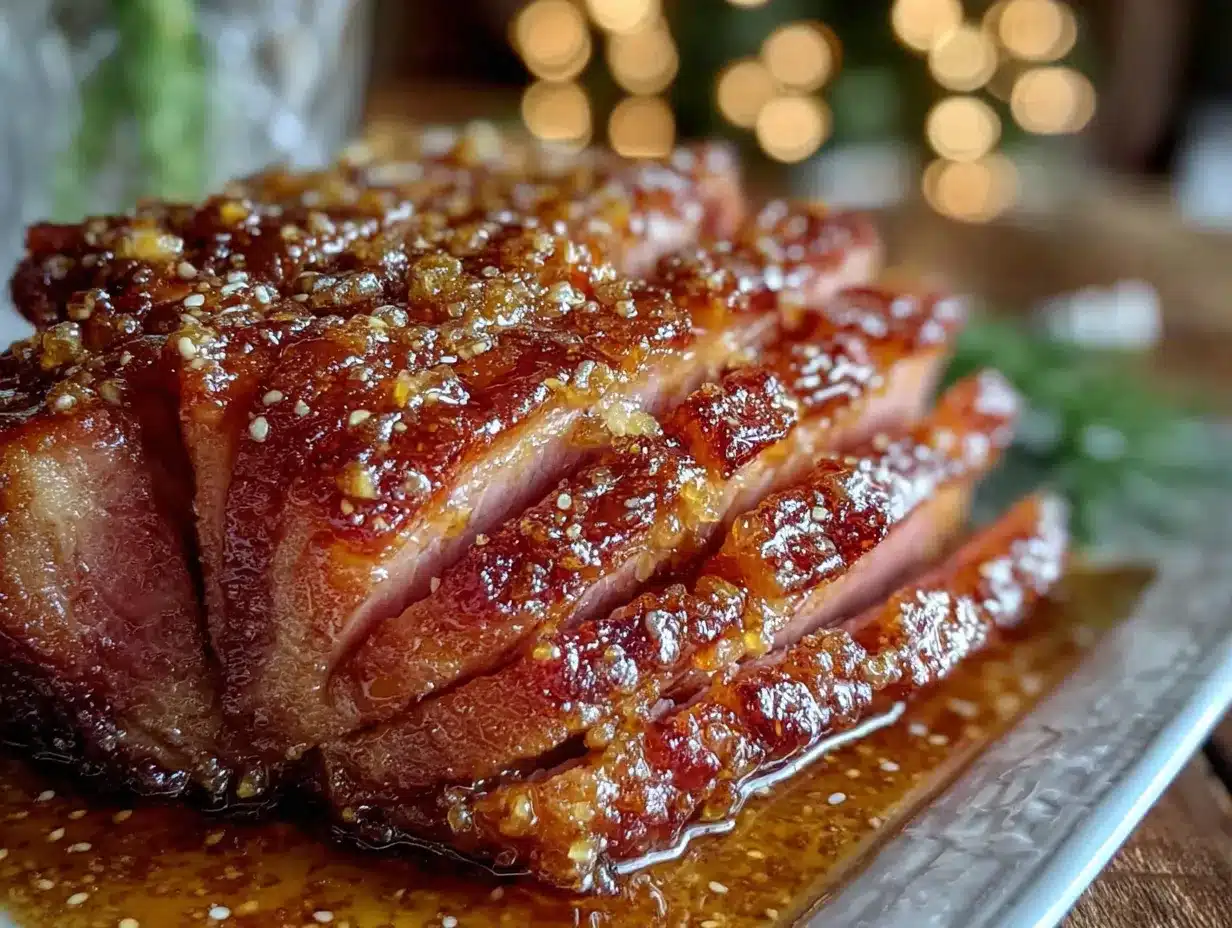
This is where the magic happens. Follow these steps carefully, and you’ll have a ham that looks and tastes like you spent all day in the kitchen — even though you didn’t.
- Preheat the oven and prep the ham (10 minutes): Preheat your oven to 325°F (163°C). Take your ham out of the refrigerator and let it sit on the counter for about 30 minutes to take the chill off. This helps it cook more evenly. Remove any plastic packaging or netting, but leave the skin on if it has one. If there’s a thick layer of skin, you can trim it off, leaving about a 1/4 inch layer of fat. Pat the ham dry with paper towels.
- Score the ham (5 minutes): Using a sharp knife, make shallow cuts about 1/4 inch deep in a diamond pattern across the entire surface of the ham. The diamonds should be about 1 to 1.5 inches wide. This isn’t just for looks — the scoring allows the glaze to seep into the meat and creates those beautiful crispy edges. Don’t cut too deep, or the ham will dry out. I learned this the hard way with a ham that looked like a topographical map!
- Stud with cloves (5 minutes): Press a whole clove into the center of each diamond. This adds a lovely floral, spicy aroma to the ham as it cooks. If you’re short on time, you can skip this step, but it really does make a difference in the final flavor. Plus, it looks gorgeous.
- Make the glaze (10 minutes): In a small saucepan, combine the dark brown sugar, bourbon, Dijon mustard, apple cider vinegar, ground cloves, and cinnamon (if using). Whisk everything together over medium heat. Bring the mixture to a gentle simmer, then reduce the heat to low. Let it bubble away for about 5 minutes, whisking occasionally, until the sugar is fully dissolved and the glaze is slightly thickened. It should smell like a warm, boozy hug. Be careful not to let it boil too hard, or it can burn.
- First bake (1 hour): Place the ham on the rack in your roasting pan, cut side down. Pour about 1/2 cup of water into the bottom of the pan — this creates steam and keeps the ham moist. Tent the ham loosely with aluminum foil. Bake for 1 hour, or until the internal temperature reaches about 110°F (43°C) on your meat thermometer. The ham is already cooked, so we’re just warming it through and building flavor.
- Glaze and bake again (30-40 minutes): Remove the ham from the oven and carefully take off the foil. Using your pastry brush, generously brush about one-third of the glaze all over the ham. Return the ham to the oven, uncovered, and bake for 15 minutes. Then, brush on another third of the glaze. Bake for another 15 minutes. The glaze will start to caramelize and turn a beautiful deep amber color. The ham is done when the internal temperature reaches 135°F to 140°F (57°C to 60°C) in the thickest part, not touching the bone.
- Rest and serve (15 minutes): Remove the ham from the oven and tent it loosely with foil. Let it rest for at least 15 minutes. This is the hardest part, I know! The resting time allows the juices to redistribute throughout the meat, making it incredibly tender. While it rests, warm the remaining glaze and set it aside for serving. Carve the ham against the grain, and drizzle with the extra glaze.
A quick note on temperature: Don’t overcook the ham. Because it’s already fully cooked, you’re just reheating it. Going over 140°F can make it dry and tough. Trust your thermometer!
Cooking Tips & Techniques
I’ve made this ham more times than I can count, and I’ve made just about every mistake in the book. Here’s what I’ve learned so you don’t have to repeat my errors.
Patience with the glaze is key. The first time I made this, I got impatient and tried to rush the glazing process. I slathered all the glaze on at once, thinking more is better. What I got was a soggy, sticky mess instead of a beautiful caramelized crust. The layering technique — applying the glaze in stages — is what creates that iconic, glossy finish. Each layer needs time in the oven to set and caramelize before the next one goes on. It takes a little longer, but the result is worth every minute.
Watch the sugar. Brown sugar burns easily, especially when combined with bourbon, which has a low boiling point. If you see the glaze starting to darken too quickly in the saucepan, pull it off the heat immediately. The same goes for the ham in the oven. If the glaze is browning too fast but the ham isn’t hot enough yet, tent the ham loosely with foil. The foil will protect the glaze from direct heat while the ham continues to warm through.
Don’t skip the water in the pan. I know it seems like a small detail, but that half cup of water in the bottom of the roasting pan is crucial. It creates a steamy environment that helps the ham stay moist and tender. Without it, you might end up with a dry, tough ham, especially with a smaller cut. I once forgot the water, and the ham was noticeably less juicy. Lesson learned.
Multitask like a pro. While the ham is in its first hour of baking, you have plenty of time to prepare your side dishes. Mashed potatoes, roasted vegetables, or a simple green salad all pair beautifully with this ham. I like to make a quick honey-glazed carrot dish during the final glazing stages. It keeps the kitchen busy and everything comes together at the same time.
Cleanup is easier than you think. That sticky glaze can be a nightmare to scrub off pans. Here’s a trick: fill the saucepan with hot water and a drop of dish soap, and let it sit for 15 minutes. The caramelized sugar will dissolve right off. For the roasting pan, a quick soak does the same magic. Don’t let the glaze dry and harden, or you’ll be scrubbing for an hour.
Variations & Adaptations
This recipe is wonderfully adaptable. Here are some ways to make it your own, based on what I’ve tried and loved.
Honey Bourbon Glaze: Swap the dark brown sugar for 3/4 cup of honey. The honey will give the glaze a lighter, more floral sweetness. Reduce the bourbon to 3 tablespoons, as honey is thinner than the sugar mixture. This version is fantastic for a spring or summer gathering, and it pairs beautifully with a fruit salsa on the side.
Spicy Maple Glaze: Replace the brown sugar with 1/2 cup of pure maple syrup and add 1/2 teaspoon of cayenne pepper or red pepper flakes. The maple adds a woodsy sweetness, while the heat cuts through the richness of the ham. This is my personal favorite for a cozy fall dinner. It’s unexpected and absolutely delicious. Just be careful with the cayenne — start with 1/4 teaspoon and taste the glaze before adding more.
Pineapple Bourbon Glaze: Add 1/2 cup of crushed pineapple (drained) to the glaze along with the other ingredients. The pineapple’s acidity and sweetness complement the bourbon perfectly. This is a classic combination that always gets rave reviews. I’ve made this version for Easter, and it was the first dish to disappear. Just note that the pineapple adds extra moisture, so you may need to bake the ham for an extra 5-10 minutes to let the glaze set.
Dietary Adaptations: For a gluten-free version, this recipe is naturally gluten-free as long as you check your mustard and bourbon labels (most are, but it’s always good to verify). For a lower-sugar option, use a sugar substitute like Swerve Brown Sugar, but note that it won’t caramelize quite the same way. You might need to add a tablespoon of butter to help the glaze thicken. For a non-alcoholic version, substitute the bourbon with apple cider or strong brewed coffee. The coffee adds a deep, roasty flavor that’s surprisingly good with the brown sugar.
I once tried a version with orange juice instead of bourbon for a brunch gathering. It was good — bright and citrusy — but it lacked the depth that bourbon brings. Stick with the bourbon if you can, but don’t be afraid to experiment.
Serving & Storage Suggestions
This ham is best served warm, right after its rest. The glaze is at its stickiest and most glorious at this point. I like to arrange the sliced ham on a platter and drizzle a little of the reserved warm glaze over the top. For a beautiful presentation, garnish with fresh rosemary sprigs or a sprinkle of flaky sea salt. The salt crystals add a lovely crunch and balance the sweetness.
For sides, you can’t go wrong with classic comfort foods. Creamy mashed potatoes are a no-brainer — the glaze makes a fantastic gravy when you mix a spoonful of it into the potatoes. Roasted green beans with garlic or a simple buttered peas dish adds a pop of color and freshness. A tangy coleslaw or a crisp apple salad cuts through the richness beautifully. For drinks, the same bourbon you used in the glaze makes a perfect old-fashioned, or a crisp cider pairs wonderfully.
Storage: Once the ham has cooled completely, wrap it tightly in plastic wrap or aluminum foil, or store it in an airtight container. It will keep in the refrigerator for up to 5 days. The flavors actually meld and deepen over time, making leftovers even more delicious. I often make this ham just for the sandwiches later in the week!
Reheating: The best way to reheat sliced ham is in a low oven. Place the slices in a baking dish, add a tablespoon of water or apple juice to the bottom, cover with foil, and warm at 300°F (150°C) for about 10-15 minutes. This keeps the meat moist without drying it out. You can also reheat individual slices in a skillet over medium-low heat for a few minutes per side. Avoid the microwave if you can — it tends to toughen the meat and make the glaze rubbery.
Freezing: Yes, you can freeze this ham! Slice it first, then wrap the slices tightly in plastic wrap and place them in a freezer-safe bag. It will keep for up to 3 months. Thaw overnight in the refrigerator before reheating. The glaze might lose a bit of its shine, but the flavor will still be fantastic.
A note on leftovers: This ham makes the most incredible ham and cheese sliders. Split some soft rolls, layer on the ham and your favorite cheese, brush with melted butter and a little Dijon, and bake until bubbly. It’s a weeknight dinner hero.
Nutritional Information & Benefits
While this is certainly a treat, it’s good to know what you’re working with. Here are the approximate nutritional values per serving (based on a 4-ounce serving of ham with glaze, serving 6-8 people total).
| Nutrient | Amount per Serving |
|---|---|
| Calories | 380 |
| Total Fat | 18g |
| Saturated Fat | 6g |
| Cholesterol | 95mg |
| Sodium | 1200mg |
| Total Carbohydrates | 30g |
| Sugars | 28g |
| Protein | 25g |
Ham is a good source of high-quality protein, which is essential for muscle repair and keeping you full. It also provides important nutrients like B vitamins (especially B6 and B12), zinc, and selenium. The brown sugar and bourbon are mostly for flavor, so enjoy them in moderation. This recipe is not suitable for a low-sodium diet due to the natural salt content of the ham. If you’re watching your sodium, look for a low-sodium ham variety and reduce the added salt in the glaze (there isn’t any, but be mindful of the mustard).
Honestly, this isn’t a health food, and that’s okay. It’s a celebration dish, meant to be enjoyed with the people you love. Balance it with lighter sides and fresh vegetables, and you’ve got a wonderful meal that feels both indulgent and nourishing.
Conclusion
This Best Brown Sugar Bourbon Glazed Ham is more than just a recipe. It’s a reminder that the best things in life often come from the most unexpected places — like a plumber named Gary who just wanted to share his favorite way to make a small ham feel special. It’s for the Tuesday nights that need a little sparkle, for the small gatherings where you want to impress without the stress, and for the families who know that a good meal doesn’t have to feed an army to be memorable.
I hope you’ll give this recipe a try. Customize it to your heart’s content — swap the bourbon for apple cider, add a pinch of cayenne for heat, or double the glaze if you’re feeling extra generous. The beauty of a small batch is that it’s forgiving and easy to adapt. Let me know how it turns out for you! Did you try a variation? Did your picky eater ask for seconds? I’d love to hear your stories in the comments below. And if you share a photo on social media, tag me — I want to see that beautiful, sticky glaze in all its glory.
Happy cooking, friends. And next time your plumber starts talking about dinner, listen closely. You never know what kind of magic you might learn.
Frequently Asked Questions
Can I use a boneless ham for this recipe?
Absolutely. A boneless ham will work just fine, though it may cook a little faster because it’s more compact. Start checking the internal temperature about 15 minutes earlier than the recipe suggests. The scoring and glazing process remains the same.
Can I make the glaze ahead of time?
Yes! You can make the glaze up to 3 days in advance. Store it in an airtight container in the refrigerator. When you’re ready to use it, gently reheat it on the stovetop over low heat, whisking until smooth. You might need to add a tablespoon of water if it’s too thick.
What if I don’t have bourbon? Is there a good substitute?
You have several options. Apple cider or apple juice is the best non-alcoholic substitute, as it adds a similar fruity sweetness. For a non-alcoholic but more complex flavor, try strong brewed coffee. If you want to keep the alcohol but use something different, rye whiskey or even a dark rum would work beautifully.
Can I cook this ham in a slow cooker or Instant Pot?
I don’t recommend it for this recipe. The beauty of this ham comes from the oven’s dry heat, which allows the glaze to caramelize and form that signature sticky crust. A slow cooker or pressure cooker will produce a moist ham, but the glaze will be more of a sauce. If you’re in a pinch, you can try the slow cooker method, but you’ll miss that beautiful, oven-baked finish.
How do I keep the ham from drying out?
The keys are moisture and temperature. First, don’t overcook it — use a meat thermometer and pull the ham at 140°F. Second, the water in the bottom of the roasting pan creates steam, which keeps the meat tender. Finally, letting the ham rest for 15 minutes after baking allows the juices to redistribute. Follow these steps, and you’ll have a perfectly moist ham every time.
Pin This Recipe!
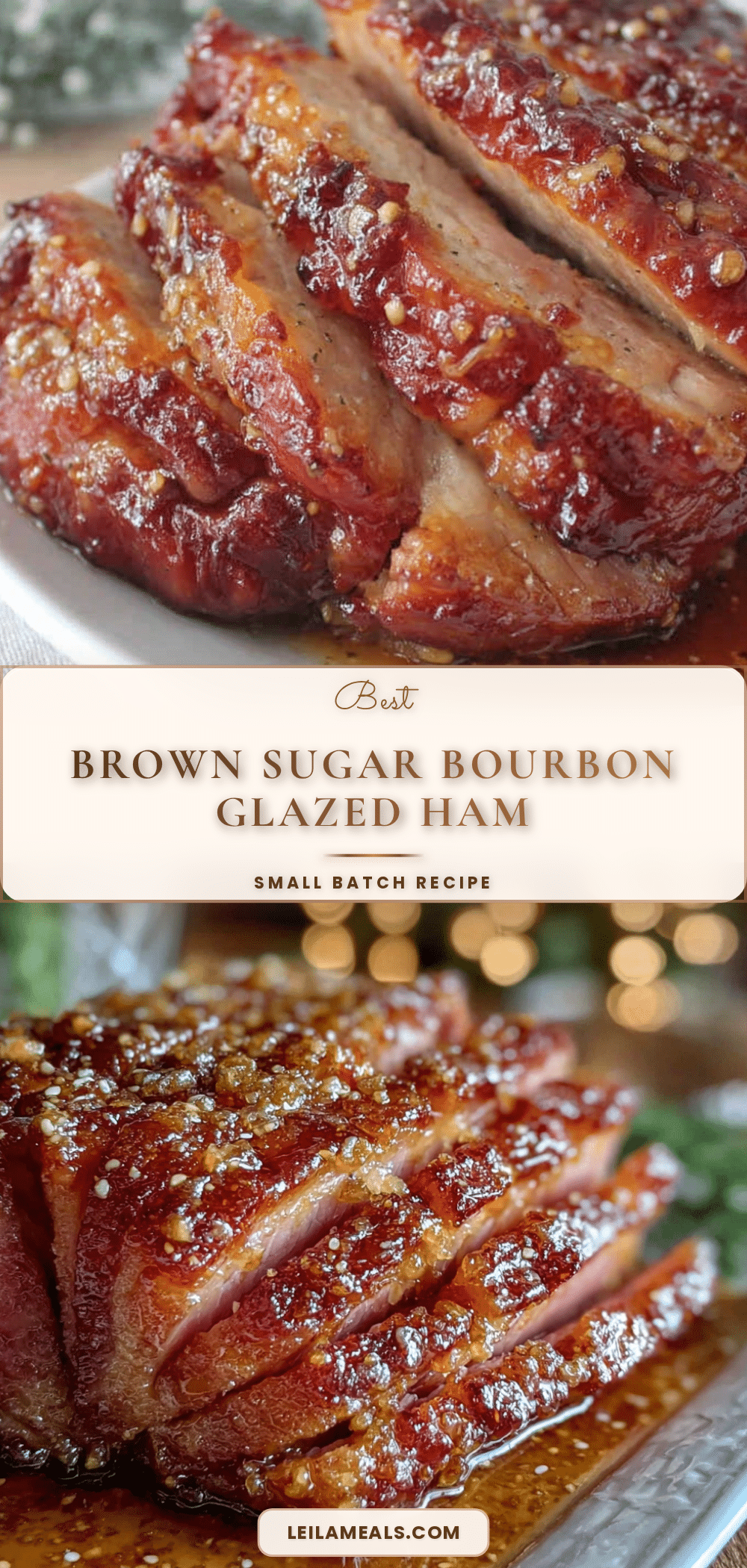
Best Brown Sugar Bourbon Glazed Ham: Small Batch Recipe
A small batch ham recipe with a sticky, caramelized brown sugar bourbon glaze, perfect for a special Tuesday or a small gathering. This budget-friendly recipe uses simple ingredients and a layering technique to create a beautiful, flavorful crust.
- Prep Time: 15 minutes
- Cook Time: 1 hour 30 minutes
- Total Time: 1 hour 45 minutes
- Yield: 6-8 servings 1x
- Category: Main Course
- Cuisine: American
Ingredients
- 1 (3 to 4 pound) bone-in, fully cooked ham half (shank or butt portion)
- 1 cup dark brown sugar, firmly packed
- 1/4 cup bourbon
- 2 tablespoons Dijon mustard
- 1 tablespoon apple cider vinegar
- 1/2 teaspoon ground cloves (plus whole cloves for studding)
- 1/4 teaspoon ground cinnamon (optional)
Instructions
- Preheat the oven and prep the ham (10 minutes): Preheat your oven to 325°F (163°C). Take your ham out of the refrigerator and let it sit on the counter for about 30 minutes to take the chill off. Remove any plastic packaging or netting, but leave the skin on if it has one. If there’s a thick layer of skin, you can trim it off, leaving about a 1/4 inch layer of fat. Pat the ham dry with paper towels.
- Score the ham (5 minutes): Using a sharp knife, make shallow cuts about 1/4 inch deep in a diamond pattern across the entire surface of the ham. The diamonds should be about 1 to 1.5 inches wide.
- Stud with cloves (5 minutes): Press a whole clove into the center of each diamond.
- Make the glaze (10 minutes): In a small saucepan, combine the dark brown sugar, bourbon, Dijon mustard, apple cider vinegar, ground cloves, and cinnamon (if using). Whisk everything together over medium heat. Bring the mixture to a gentle simmer, then reduce the heat to low. Let it bubble away for about 5 minutes, whisking occasionally, until the sugar is fully dissolved and the glaze is slightly thickened.
- First bake (1 hour): Place the ham on the rack in your roasting pan, cut side down. Pour about 1/2 cup of water into the bottom of the pan. Tent the ham loosely with aluminum foil. Bake for 1 hour, or until the internal temperature reaches about 110°F (43°C) on your meat thermometer.
- Glaze and bake again (30-40 minutes): Remove the ham from the oven and carefully take off the foil. Using your pastry brush, generously brush about one-third of the glaze all over the ham. Return the ham to the oven, uncovered, and bake for 15 minutes. Then, brush on another third of the glaze. Bake for another 15 minutes. The ham is done when the internal temperature reaches 135°F to 140°F (57°C to 60°C) in the thickest part, not touching the bone.
- Rest and serve (15 minutes): Remove the ham from the oven and tent it loosely with foil. Let it rest for at least 15 minutes. While it rests, warm the remaining glaze and set it aside for serving. Carve the ham against the grain, and drizzle with the extra glaze.
Notes
Patience with the glaze is key. Apply the glaze in layers for a beautiful caramelized crust. Watch the sugar as it burns easily. Don’t skip the water in the pan to keep the ham moist. Let the ham rest for 15 minutes before carving.
Nutrition
- Serving Size: 4 ounces
- Calories: 380
- Sugar: 28
- Sodium: 1200
- Fat: 18
- Saturated Fat: 6
- Carbohydrates: 30
- Protein: 25
Keywords: brown sugar bourbon glazed ham, small batch ham, glazed ham, Easter ham, Christmas ham, bourbon ham, ham recipe