It was one of those quiet mornings when the garden felt a little too still, the usual hum of wings noticeably absent. I remember standing by the kitchen window, coffee in hand, watching a lone hummingbird flit around the flowers with less energy than usual. I’d tried buying store-bought nectar before, but honestly, the birds seemed less interested—or maybe it was just me hoping for a bit more magic in the backyard. That morning, on a whim, I decided to mix up my own sugar water for hummingbirds, hoping to coax them back with something safe and simple.
The recipe turned out to be ridiculously straightforward—just sugar and water—but the difference was remarkable. Within hours, the tiny visitors were back, darting and hovering with renewed gusto. I was honestly surprised by how such a basic mix made the garden come alive again. It wasn’t some fancy concoction or fancy ingredient list, just the right balance in three easy steps.
Since then, making this easy sugar water for hummingbirds has become a calming ritual, a small way to connect with nature right outside my window. This recipe stuck not because it’s complicated, but because it’s reliable and safe—something I trust to keep those delicate creatures happy and healthy. And if you’re like me, just wanting to brighten your day with a little flutter of wings, this simple nectar recipe might just be the perfect fix.
Why You’ll Love This Recipe
- Quick & Easy: Comes together in under 10 minutes, perfect for busy mornings or last-minute refills.
- Simple Ingredients: Uses just two pantry staples—white granulated sugar and water—no fancy trips needed.
- Safe & Natural: Free from dyes, additives, or harmful chemicals, making it ideal for hummingbird health.
- Perfect for Any Season: Works great year-round, whether you’re welcoming spring arrivals or feeding late fall visitors.
- Crowd-Pleaser: Attracts hummingbirds reliably, turning your feeder into a lively hotspot.
- Balanced Sweetness: The 4:1 water-to-sugar ratio mimics natural nectar, keeping the birds energized without overfeeding.
This isn’t just another random sugar water recipe floating on the internet. After testing several ratios myself (and yes, a few flops where the birds ignored the feeder), this version hit the sweet spot. It respects the delicate needs of hummingbirds, avoiding anything artificial or potentially harmful. So, it’s not just about attracting birds—it’s about doing it thoughtfully and safely, which is why I keep coming back to this recipe whenever the feeders run dry.
What Ingredients You Will Need
This recipe uses simple, wholesome ingredients to deliver the perfect balance of sweetness and hydration without any fuss. The ingredients are pantry basics that most folks already have on hand, making it so easy to whip up fresh nectar anytime.
- White Granulated Sugar: 1 cup (200 grams) – Use pure cane sugar for best results. Avoid raw or brown sugar as they can be harmful to hummingbirds.
- Water: 4 cups (960 ml) – Use clean, filtered water if possible. Tap water is fine if it’s not heavily chlorinated.
Optional:
- Boiled Water: If you want to ensure purity, boil the water before mixing; this also helps dissolve the sugar completely.
Ingredient Tips: I prefer using organic white sugar when I can find it, simply because it feels a little cleaner. Also, if you live in an area with hard water, filtered water can prevent any mineral buildup in your feeders, which keeps the nectar fresh longer.
Substitutions: Don’t be tempted to use honey, artificial sweeteners, or red dye—they’re all unsafe for hummingbirds. Stick with plain white sugar and water to keep your feeders a safe place for these tiny travelers.
Equipment Needed
- Measuring Cups: For accurate sugar and water measurements.
- Pot or Saucepan: To boil water if you choose to sterilize it.
- Stirring Spoon: A long-handled spoon helps dissolve the sugar fully.
- Hummingbird Feeder: Preferably one that’s easy to clean and refill. I recommend feeders with wide openings to avoid clogging.
- Funnel (Optional): Makes transferring nectar into feeders less messy.
If you don’t have a saucepan, you can dissolve sugar in hot water using a microwave-safe bowl in short bursts. Just be cautious with hot liquids! Also, investing in a feeder with removable parts makes cleaning a breeze, which is crucial to prevent mold or bacterial growth.
Preparation Method
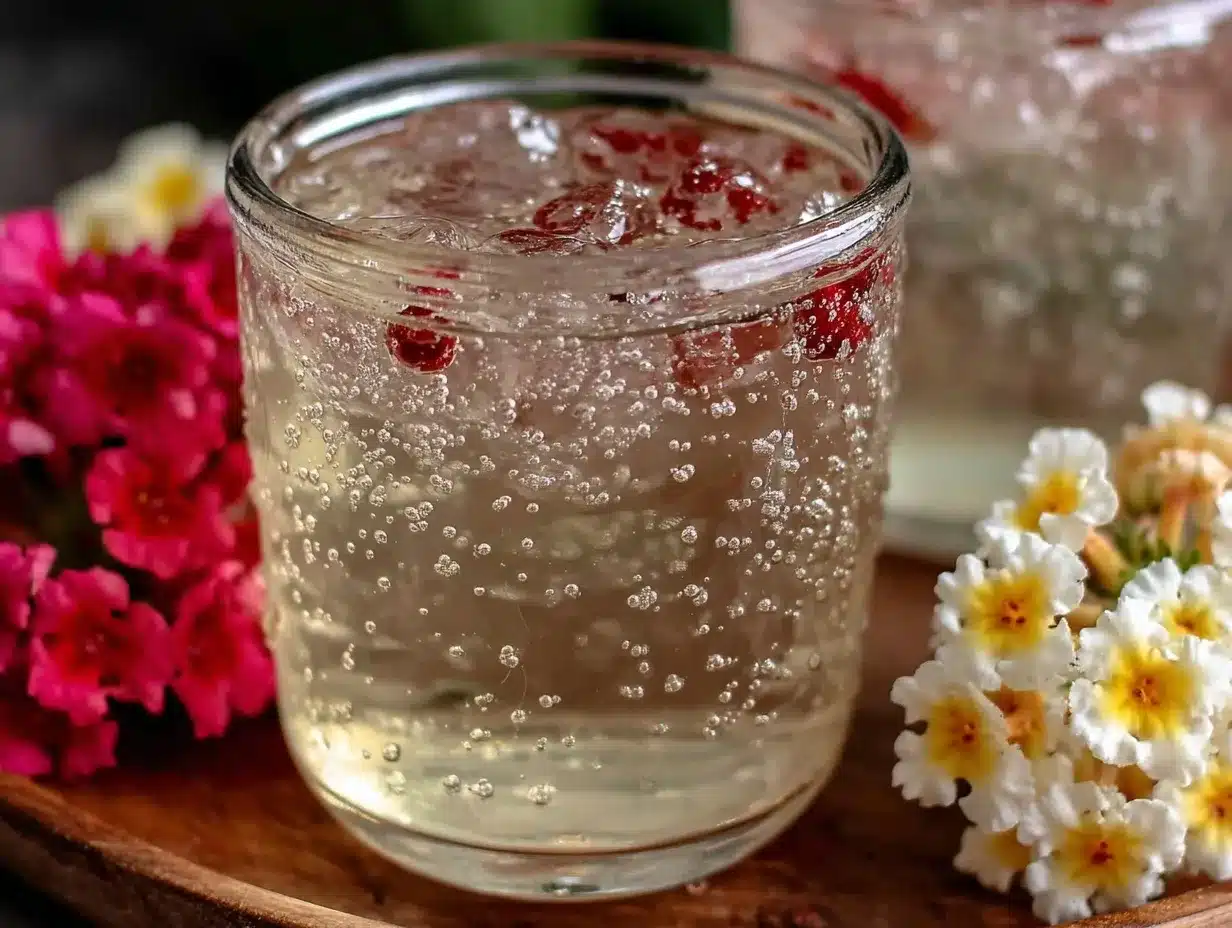
- Measure Ingredients: Start by measuring 1 cup (200 grams) of white granulated sugar and 4 cups (960 ml) of water. Accuracy matters here—that 4:1 ratio is key to mimicking natural nectar.
- Boil the Water (Optional but Recommended): Pour the water into a saucepan and bring it to a boil. Boiling helps eliminate impurities and dissolves the sugar more efficiently. If you’re short on time, hot tap water can work, but boiling is best for freshness.
- Dissolve the Sugar: Remove the water from heat and stir in the sugar until it completely dissolves. This usually takes about 2 to 3 minutes. You want the liquid clear, not cloudy or grainy.
- Cool the Nectar: Let the sugar water cool to room temperature before filling your feeder. Hot nectar can harm the birds, so patience here is crucial.
- Fill the Feeder: Use a funnel if needed to pour the nectar into your hummingbird feeder. Fill it carefully to avoid spills, then hang the feeder outside where you’ve seen hummingbirds visit.
- Clean Your Feeder Regularly: After 3-4 days, empty any leftover nectar and wash the feeder with hot soapy water to prevent mold or fermentation. Rinse well before refilling.
Pro Tip: When stirring, avoid using metal spoons that might react with sugar. Wooden or plastic spoons work great. Also, if your nectar turns cloudy or smells fermented, toss it out immediately—freshness is everything here.
Cooking Tips & Techniques
Getting this sugar water just right isn’t rocket science, but a few tricks help it stay fresh and inviting for hummingbirds. First, always stick to the 4:1 water-to-sugar ratio; more sugar can lead to fermentation, less sugar won’t attract the birds.
Boiling water isn’t mandatory, but I highly recommend it. It dissolves sugar fully and kills any harmful microorganisms. After boiling, let the nectar cool completely before filling feeders—warm nectar can be dangerous for the birds.
Cleaning feeders is a step many overlook, but trust me, it’s the difference between a hummingbird haven and a bacterial hotspot. I learned this the hard way when some nectar soured, and the birds stopped visiting. Regular washing (every 3-4 days) keeps things healthy and safe.
One technique to watch: avoid using red dye. It’s a common myth that hummingbirds need it, but it can harm them. Instead, choose feeders with built-in red parts to attract their attention naturally.
Finally, keep nectar out of direct sun if possible. Heat speeds up fermentation. A shaded spot keeps your sugar water fresh longer and your hummingbirds happy.
Variations & Adaptations
This simple sugar water recipe is flexible, so you can tweak it based on your needs or your hummingbirds’ preferences. Here are a few ideas I’ve tried and liked:
- Seasonal Twist: In colder months, warm the nectar slightly before filling the feeder to prevent it from crystallizing too quickly.
- Different Sugar Types: While white granulated sugar is best, I’ve experimented with organic cane sugar. Just make sure it’s free from additives.
- Filtered Water: In areas with hard or chlorinated water, using filtered or distilled water prolongs nectar freshness.
- Allergy-Friendly: Since this recipe contains only sugar and water, it’s naturally safe for birds with sensitivities—just avoid any additives.
- Feeder Variations: Try different feeder styles—some have built-in bee guards or perches, which might attract different hummingbird species.
Personally, I once added a tiny splash of fresh lemon juice to the mixture out of curiosity (about a teaspoon per batch). The birds didn’t seem to mind, but I didn’t find it necessary. Keeping it simple really works best.
Serving & Storage Suggestions
Serve this sugar water fresh at room temperature in your hummingbird feeder. The best spot is a shaded, sheltered location in your garden or balcony where hummingbirds can easily spot it and perch safely.
Pair the feeder near nectar-rich flowers if you can—this creates a mini hummingbird buffet that keeps them coming back longer. Watching them zip from flower to feeder is honestly one of the most relaxing sights.
Store any leftover nectar in a clean, airtight container in the refrigerator for up to one week. Avoid storing it longer because the sugar can ferment, which is harmful to hummingbirds.
When refilling feeders, always discard any leftover nectar that’s been sitting out more than 3-4 days. Reheat and dissolve fresh batches rather than topping off old nectar.
Over time, fresh nectar might crystallize or cloud, which signals it’s time for a new batch. Regular maintenance keeps your feeder inviting and safe.
Nutritional Information & Benefits
This simple nectar mimics the natural sugar concentration found in flower nectar, providing hummingbirds with an essential energy source. The 4:1 water-to-sugar ratio ensures they get quick carbohydrates without overloading their tiny digestive systems.
Key benefits include:
- Provides immediate energy for hummingbirds’ rapid wingbeats and long flights.
- Free from harmful additives, dyes, or preservatives that could upset their metabolism.
- Supports hummingbird health in areas where natural nectar sources may be scarce.
From a personal wellness perspective, this recipe aligns with a simple, natural approach—just like feeding yourself wholesome food, it offers pure, unprocessed nourishment for these wild visitors.
Conclusion
Making your own sugar water for hummingbirds is one of those small joys that quietly changes your backyard experience. It’s fuss-free, safe, and something you can trust to keep those tiny hearts fluttering with energy. I love how this recipe feels like a tiny gift to nature—simple ingredients, clear process, and that sweet buzz of life around the feeder.
Feel free to customize based on your local conditions or hummingbird habits, but keep the basics intact. Remember, it’s about making a welcoming, healthy spot for these amazing creatures.
If you give this easy sugar water recipe a try, I’d love to hear how it goes! Share your hummingbird stories, tweaks, or questions—you never know who else might be waiting for a little backyard magic too.
Here’s to many fluttering moments ahead!
FAQs
How often should I change the sugar water for hummingbirds?
Change the nectar every 3 to 4 days, or sooner if it looks cloudy or fermenting. In hot weather, daily changes might be necessary to keep it fresh.
Can I use honey or artificial sweeteners instead of sugar?
No, honey and artificial sweeteners can be harmful to hummingbirds. Stick to plain white granulated sugar for safety.
Is it necessary to boil the water before mixing the sugar?
Boiling is recommended as it helps dissolve the sugar fully and kills any bacteria, but if you’re in a rush, hot tap water can work as long as it’s clean.
Why shouldn’t I add red food coloring to the nectar?
Red dye isn’t safe for hummingbirds and isn’t needed. Use feeders with red parts to attract birds naturally without risking their health.
Can this recipe be used year-round?
Yes! This simple sugar water works well year-round, though you may need to adjust how often you change it based on the weather and hummingbird activity.
Pin This Recipe!
Easy Sugar Water for Hummingbirds
A simple, safe, and effective homemade nectar recipe using just sugar and water to attract and nourish hummingbirds year-round.
- Prep Time: 5 minutes
- Cook Time: 5 minutes
- Total Time: 10 minutes
- Yield: Approximately 5 cups of nectar (serves multiple hummingbirds) 1x
- Category: Bird Feed
- Cuisine: N/A
Ingredients
- 1 cup (200 grams) white granulated sugar
- 4 cups (960 ml) water
Instructions
- Measure 1 cup (200 grams) of white granulated sugar and 4 cups (960 ml) of water.
- Boil the water in a saucepan to eliminate impurities and help dissolve the sugar (optional but recommended).
- Remove the water from heat and stir in the sugar until completely dissolved, about 2 to 3 minutes.
- Let the sugar water cool to room temperature before filling your hummingbird feeder.
- Use a funnel if needed to pour the nectar into the feeder carefully and hang it outside where hummingbirds visit.
- Clean the feeder every 3-4 days by emptying leftover nectar and washing with hot soapy water to prevent mold or fermentation.
Notes
Use pure white granulated sugar only; avoid raw, brown sugar, honey, artificial sweeteners, or red dye. Boiling water is recommended to kill bacteria and dissolve sugar fully. Cool nectar completely before filling feeders. Change nectar every 3-4 days or sooner if cloudy or fermented. Store leftover nectar in the refrigerator for up to one week. Avoid direct sunlight on feeders to prevent fermentation.
Nutrition
- Serving Size: About 1/4 cup per fe
- Calories: 774
- Sugar: 200
- Carbohydrates: 200
Keywords: hummingbird nectar, sugar water for hummingbirds, homemade hummingbird food, hummingbird feeder recipe, safe hummingbird nectar