My husband did not trust ground turkey in a meatloaf. For years, he’d politely eat whatever I put in front of him, but I could tell—he was waiting for that dry, crumbly disappointment he remembered from some diet-friendly dinner party years ago. Honestly, I couldn’t blame him. Most turkey meatloaves I’d tried were exactly that: a sad, flavorless brick pretending to be comfort food. So when I told him I was developing a turkey meatloaf recipe for the blog, he just raised an eyebrow. That eyebrow said everything.
But here’s the thing about this Classic Turkey Meatloaf with Brown Sugar Glaze—it changed his mind. Not slowly, either. The first bite had him looking at me funny (the good kind of funny), and by the third bite, he was already asking when I’d make it again. The secret isn’t some fancy technique or a mile-long ingredient list. It’s about treating ground turkey with the respect it deserves—keeping it moist, seasoning it boldly, and topping it with that sweet, sticky brown sugar glaze that caramelizes into something almost magical. (I say “almost” because I don’t want to oversell it, but honestly, it’s pretty magical.)
I found myself sneaking extra slices straight from the loaf pan after dinner. That’s when I knew this recipe was a keeper. Not because it’s healthy (though it is lighter than beef meatloaf), and not because it’s fancy, but because it tastes like the kind of dinner you actually look forward to eating. The kind that makes a Tuesday night feel a little bit special without any stress. If you’ve been burned by dry turkey meatloaf before, I get it. But this one? This one might just make you a believer, too.
Why You’ll Love This Recipe
This isn’t just another turkey meatloaf recipe that promises moisture and delivers disappointment. I’ve tested this version more times than I care to count, tweaking ratios, adjusting cook times, and yes, dealing with a few crumbly failures along the way. What I landed on is a meatloaf that’s tender, flavorful, and genuinely satisfying—even for the beef purists in your life.
- Juicy, Not Dry : The combination of grated onion, a panade (that’s just a fancy word for breadcrumbs soaked in milk), and the right fat content in the turkey keeps every slice moist. No dry meatloaf here.
- Simple Pantry Ingredients : You probably have most of these already. No weird specialty items or expensive cuts of meat. Just good, honest ingredients that work together.
- That Brown Sugar Glaze : This is the star. Sweet, tangy, and a little bit sticky—it caramelizes on top and seeps into the edges. Honestly, I’ve caught myself eating spoonfuls of it straight from the bowl.
- Weeknight-Friendly : About 10 minutes of active prep, then the oven does the rest. Perfect for busy nights when you still want a real dinner.
- Crowd-Pleaser : My kids devour this. My meatloaf-skeptic husband requests it. Even my mom, who grew up on classic beef meatloaf, asked for the recipe.
- Leftovers Are Gold : Cold turkey meatloaf sandwiches the next day? Yes, please. Slice it thick, slap it on some bread with a little mayo, and you’ve got lunch sorted.
What makes this recipe different is the balance. The glaze isn’t too sweet, the meatloaf isn’t too lean, and the seasonings are bold enough to stand up to the turkey without overpowering it. It’s comfort food that works with your week, not against it.
What Ingredients You Will Need
This recipe uses straightforward ingredients, but each one plays an important role in creating a moist, flavorful meatloaf. Here’s what you’ll need and why each ingredient matters.
For the Meatloaf
- Ground turkey (93/7) : I recommend 93% lean, 7% fat ground turkey. The 99% lean stuff will give you a dry meatloaf every time. A little fat is your friend here—it keeps things tender and adds flavor. I like the Jennie-O brand for consistent results.
- Panko breadcrumbs : Regular breadcrumbs work fine, but panko gives a lighter texture. You want about ¾ cup. (Gluten-free panko works great if needed.)
- Whole milk : This soaks into the breadcrumbs to create a panade, which is the secret to a moist meatloaf. Any milk works, but whole milk adds richness.
- Yellow onion : Grated, not chopped. Grating the onion releases its juices, which adds moisture and flavor without leaving chunky bits of raw onion. One medium onion is plenty.
- Garlic : Three cloves, minced fresh. Please don’t use the jarred stuff here—fresh garlic makes a real difference.
- Large eggs : Two eggs act as a binder, holding everything together so your meatloaf doesn’t fall apart when you slice it.
- Worcestershire sauce : Two tablespoons. This adds that deep, savory umami flavor that makes turkey taste beefier. Lea & Perrins is my go-to.
- Dijon mustard : One tablespoon. It adds tang and helps the glaze stick. Don’t skip it—you won’t taste mustard, I promise.
- Kosher salt and black pepper : One teaspoon salt, half a teaspoon pepper. Season generously; turkey needs it.
- Dried thyme : One teaspoon. Earthy and subtle, it pairs beautifully with the brown sugar glaze.
- Smoked paprika : One teaspoon. Adds a gentle smokiness that makes the meatloaf taste more complex. Regular paprika works, but smoked is better.
For the Brown Sugar Glaze
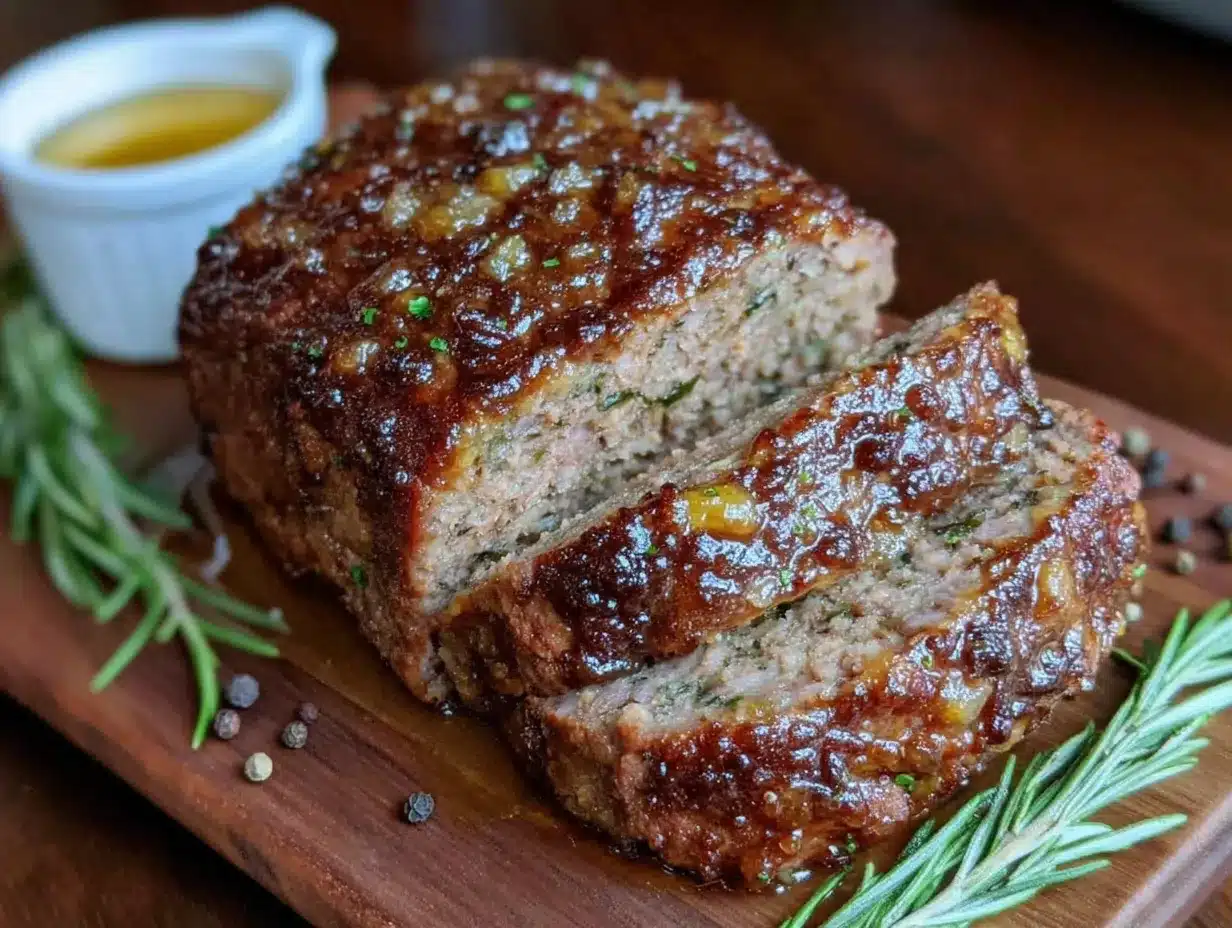
- Light brown sugar : Half a cup, packed. This is the base of the glaze. It melts into a sweet, sticky coating that caramelizes beautifully in the oven.
- Ketchup : One-third cup. The tangy tomato flavor balances the sweetness of the brown sugar. I prefer Heinz for its consistent thickness.
- Apple cider vinegar : One tablespoon. Adds brightness and cuts through the richness. Don’t skip it—it keeps the glaze from being cloying.
- Dijon mustard : One teaspoon. A tiny bit of sharpness to round out the flavors.
Substitution notes: If you’re out of panko, crushed crackers or rolled oats work in a pinch. No milk? Use chicken broth or unsweetened almond milk. For a gluten-free version, use gluten-free breadcrumbs or crushed pork rinds. And if you don’t have Worcestershire sauce, a splash of soy sauce plus a little vinegar will do the trick.
Equipment Needed
You don’t need a fancy kitchen to make this meatloaf. Here’s what you’ll actually use:
- 9×5-inch loaf pan : Standard size works perfectly. If you don’t have one, you can shape the meatloaf free-form on a parchment-lined baking sheet—just keep an eye on cook time, as it may cook a bit faster.
- Large mixing bowl : Big enough to get your hands in there. Glass or stainless steel is fine.
- Box grater : For grating the onion. You can also use a food processor with the grating disc if you’re feeling fancy.
- Small bowl : For mixing the glaze ingredients together.
- Measuring cups and spoons : Standard set. Nothing fancy.
- Rubber spatula or wooden spoon : For mixing the glaze and scraping every last bit out of the bowl.
- Meat thermometer : This is non-negotiable for poultry. An instant-read thermometer ensures your meatloaf hits 165°F without overcooking. I’ve used the ThermoPro for years and it’s never let me down.
- Parchment paper or aluminum foil : For lining the loaf pan if you want easy cleanup. Not required, but highly recommended.
- Cooling rack : Letting the meatloaf rest on a rack after baking keeps the bottom from getting soggy. A plate works too, but a rack is better.
Budget-friendly tip: Skip the fancy loaf pan. A disposable aluminum pan from the grocery store works just fine, and cleanup is even easier.
Preparation Method
Let’s get cooking. This comes together faster than you’d think.
- Preheat your oven to 350°F (175°C). Position the rack in the middle. While it’s heating, lightly grease your loaf pan with cooking spray or a little oil. If you’re lining it with parchment paper, leave some overhang on the long sides—this makes lifting the meatloaf out later a breeze.
- Make the panade. In your large mixing bowl, combine ¾ cup panko breadcrumbs with ½ cup whole milk. Stir gently and let it sit for about 5 minutes. The breadcrumbs will soak up the milk and turn into a soft, porridge-like mixture. This is your panade, and it’s the secret to a tender meatloaf. (I learned this trick from my grandmother’s meatball recipe, actually.)
- Grate the onion. While the panade rests, peel your yellow onion and grate it using the large holes of a box grater. You’ll get about ½ cup of grated onion and its juices. Don’t drain the juice—that liquid is gold for moisture. Set it aside.
- Build the meatloaf mixture. To the bowl with the panade, add 2 pounds of ground turkey, the grated onion (with its juices), 3 minced garlic cloves, 2 large eggs (lightly beaten), 2 tablespoons Worcestershire sauce, 1 tablespoon Dijon mustard, 1 teaspoon kosher salt, ½ teaspoon black pepper, 1 teaspoon dried thyme, and 1 teaspoon smoked paprika.
- Mix gently. Use your hands for this. Seriously—a spoon won’t incorporate everything evenly, and overmixing is the enemy of tender meatloaf. Gently fold and squeeze the mixture until everything is just combined. You should see no streaks of raw egg or pockets of breadcrumbs. But stop as soon as it comes together. Overworking the meat will make it dense and tough.
- Shape and transfer. Transfer the mixture to your prepared loaf pan. Gently press it into an even shape, being careful not to pack it too tightly. You want it snug in the pan but not compressed. Smooth the top with your spatula or the back of a spoon.
- Make the glaze. In a small bowl, whisk together ½ cup packed light brown sugar, ⅓ cup ketchup, 1 tablespoon apple cider vinegar, and 1 teaspoon Dijon mustard. It should be smooth and glossy. Taste it—yes, it’s okay to taste raw glaze. Adjust if you want more tang (add a splash more vinegar) or more sweetness (a little extra brown sugar).
- Glaze the meatloaf. Pour about half the glaze over the top of the meatloaf. Use a spatula to spread it evenly, letting some drip down the sides. Reserve the remaining glaze for later. Don’t use it all now—trust me.
- Bake for 45 minutes. Place the loaf pan on a baking sheet (just in case any glaze bubbles over) and bake for 45 minutes. At this point, the meatloaf should be starting to brown on top and the glaze should be bubbling around the edges.
- Add the second layer of glaze. Carefully remove the meatloaf from the oven. Spoon the remaining glaze over the top and spread it evenly. Return to the oven and bake for another 10 to 15 minutes. The glaze will caramelize and turn dark, sticky, and beautiful. Your kitchen will smell incredible right about now.
- Check the temperature. Insert your meat thermometer into the center of the meatloaf. It should read 165°F (74°C). If it’s not there yet, give it another 5 to 10 minutes. Don’t guess—use the thermometer. Overcooked turkey meatloaf is a tragedy we can avoid.
- Rest before slicing. This is crucial. Let the meatloaf rest in the pan for 10 to 15 minutes. The internal temperature will rise a few degrees, and the juices will redistribute throughout the meatloaf. If you slice too soon, it will fall apart. I learned this the hard way after a particularly crumbly incident.
- Slice and serve. Use the parchment paper overhang to lift the meatloaf out of the pan (if you lined it). Transfer to a cutting board and slice into 8 to 10 even pieces. Spoon any accumulated pan juices over the slices for extra flavor. Serve warm.
Sensory cues to watch for: When you mix the meatloaf, it should feel moist but not wet. The glaze should be thick enough to coat the back of a spoon but still pourable. When the meatloaf is done, the edges will be slightly pulled away from the pan, and the glaze will be dark and tacky. The smell? Like a hug in food form.
Cooking Tips & Techniques
After making this recipe more times than I can count, here are the things I’ve learned that make the biggest difference.
Don’t skip the panade. I know it sounds fussy, but that milk-soaked breadcrumb mixture is what keeps ground turkey from turning into sawdust. The breadcrumbs trap moisture, and the milk adds richness. Without it, you’re basically making a turkey burger in loaf form—and we all know how those turn out.
Grate, don’t chop, the onion. This was a game-changer for me. Grated onion melts into the meatloaf, adding moisture and flavor without leaving crunchy bits of raw onion. Plus, you get all that onion juice, which is pure flavor and moisture. I used to chop my onion and wondered why my meatloaf was dry. Live and learn.
Use a light hand when mixing. I cannot stress this enough. Overmixing ground turkey develops the proteins and makes the meatloaf tough. Mix until everything is just combined—no more. If you see streaks of egg or breadcrumbs, a few extra gentle folds are fine. But don’t go to town on it.
Let it rest. I know you’re hungry. I know the house smells amazing. But cutting into a meatloaf straight out of the oven is a recipe for a crumbly mess. Give it at least 10 minutes. Use that time to make a quick salad or set the table. Your patience will be rewarded with clean slices.
My biggest failure: The first time I made this, I used 99% lean ground turkey because I thought “healthier” was better. It was dry. So dry. My husband tried to be nice about it, but I saw him reaching for the ketchup bottle. That’s when I learned that a little fat goes a long way in ground turkey. 93/7 is the sweet spot—moist but not greasy.
Timing tip: While the meatloaf bakes, you can prep your sides. Mashed potatoes, roasted vegetables, or a simple green salad all work beautifully. The meatloaf needs about an hour total, so plan accordingly. I like to start my sides with about 20 minutes left on the meatloaf timer, so everything finishes together.
Variations & Adaptations
This recipe is wonderfully adaptable. Here are some ways to make it your own.
Cheesy Turkey Meatloaf: Fold ½ cup of shredded cheddar or provolone into the meat mixture before baking. The cheese melts into the meatloaf, adding richness and a little surprise in every bite. My kids go crazy for this version.
BBQ Glaze Swap: Not a brown sugar fan? Replace the ketchup and brown sugar glaze with your favorite barbecue sauce. Use ½ cup of BBQ sauce, brushed on in two layers just like the original. The smoky-sweet flavor is fantastic, especially with the smoked paprika already in the meatloaf.
Italian Turkey Meatloaf: Swap the Worcestershire sauce and smoked paprika for 1 teaspoon dried oregano, 1 teaspoon dried basil, and ¼ cup grated Parmesan cheese. Use marinara sauce as the glaze instead of the brown sugar mixture. Serve with extra marinara on the side. It’s like a giant, comforting meatball.
Stuffed Turkey Meatloaf: Press half the meat mixture into the pan, create a shallow well down the center, and fill it with sautéed spinach, mushrooms, and shredded mozzarella. Top with the remaining meat mixture, seal the edges, and bake as directed. The filling adds moisture and a whole new dimension of flavor.
Gluten-Free Adaptation: Use gluten-free panko or crushed pork rinds instead of regular breadcrumbs. Make sure your Worcestershire sauce is gluten-free (Lea & Perrins is, but check labels). Everything else is naturally gluten-free. The texture is slightly different but still delicious.
My personal favorite variation: I once added ¼ cup of finely chopped roasted red peppers to the meat mixture, and it was incredible. The peppers added sweetness and moisture, and they made the meatloaf look pretty, too. I’ve been doing it ever since.
Serving & Storage Suggestions
Serving: This meatloaf is best served warm, straight from the oven. Slice it into 1-inch thick pieces and arrange on a platter. Spoon any leftover glaze from the pan over the top. I like to garnish with a sprinkle of fresh parsley or chives for color, but that’s purely optional.
What to serve alongside: Mashed potatoes are the classic pairing—the gravy from the meatloaf pan is perfect over them. Roasted green beans or a simple arugula salad with lemon vinaigrette add freshness. For something heartier, try it with creamy mac and cheese or marry me chicken tortellini for a truly comforting dinner spread. A side of crusty bread is never a bad idea, either.
Storage: Leftover meatloaf keeps beautifully. Let it cool completely, then wrap tightly in plastic wrap or aluminum foil, or store in an airtight container. It will keep in the refrigerator for up to 4 days. The flavors actually deepen overnight—cold meatloaf sandwiches the next day are a legit treat.
Freezing: This meatloaf freezes wonderfully. For best results, let it cool completely, then wrap it tightly in plastic wrap, followed by a layer of aluminum foil. Freeze for up to 3 months. To thaw, transfer to the refrigerator overnight. Reheat in a 350°F oven for about 20 minutes, or until warmed through. You can also slice it before freezing for quick individual portions.
Reheating: The oven is your best bet for maintaining texture. Place slices on a baking sheet and warm at 350°F for 10 to 15 minutes. The microwave works in a pinch, but the glaze gets a little sticky and the edges can dry out. If you do use the microwave, cover the plate with a damp paper towel to add moisture.
Flavor development: Honestly, this meatloaf tastes even better the next day. The flavors meld together overnight, and the glaze soaks into the edges. Cold leftovers make an incredible sandwich—layer slices on good bread with a smear of mayo and some crunchy lettuce. Trust me on this one.
Nutritional Information & Benefits
Here’s the approximate nutritional breakdown per serving (based on 8 servings):
| Nutrient | Amount Per Serving |
|---|---|
| Calories | 310 |
| Protein | 28g |
| Carbohydrates | 22g |
| Fat | 12g |
| Saturated Fat | 3.5g |
| Cholesterol | 110mg |
| Sodium | 680mg |
| Fiber | 1g |
| Sugar | 16g |
Health benefits: Ground turkey is a leaner alternative to ground beef, with less saturated fat and fewer calories per serving. It’s also a great source of high-quality protein, which supports muscle health and keeps you feeling full. The onions and garlic provide antioxidants and anti-inflammatory compounds. And while the brown sugar glaze adds some sugar, it’s a reasonable amount for a comfort food dinner—about 4 teaspoons per serving.
Dietary considerations: This recipe is dairy-free if you use a non-dairy milk in the panade. For a gluten-free version, swap the panko for gluten-free breadcrumbs. It’s not suitable for low-carb or keto diets due to the breadcrumbs and brown sugar, but you could try a low-carb version using almond flour and a sugar-free glaze (though I haven’t tested that myself).
Potential allergens: Contains dairy (if using milk), eggs, gluten (if using regular breadcrumbs), and mustard. Adjust substitutions as needed for your dietary needs.
Conclusion
This Classic Turkey Meatloaf with Brown Sugar Glaze is the kind of recipe that proves comfort food doesn’t have to be complicated or heavy. It’s honest cooking—simple ingredients, treated right, with a little bit of patience and a whole lot of flavor. The glaze is sweet and sticky, the meatloaf is tender and juicy, and the whole thing comes together with about 10 minutes of active work.
I love this recipe because it works for real life. It’s weeknight-friendly but special enough for Sunday dinner. It pleases picky eaters and impresses guests. And those leftovers? They’re the kind of lunch you actually look forward to.
If you make this recipe (and I really hope you do), I’d love to hear how it turns out. Leave a comment below and let me know if your family loved it as much as mine does. Did you try a variation? Swap the glaze? Add cheese? Tell me about it—I’m always looking for new ideas to test in my kitchen.
Go ahead, give that turkey meatloaf a chance. You might just surprise yourself.
Frequently Asked Questions
Can I use ground beef instead of turkey?
Absolutely. Substitute ground beef (80/20 or 85/15) for the turkey. The cook time will be similar, but beef typically has more fat, so the meatloaf will be even more moist. You may want to drain any excess fat from the pan before glazing.
Why did my turkey meatloaf fall apart?
This usually happens for one of three reasons: not enough binder (eggs or breadcrumbs), overmixing (which makes it dense and crumbly), or slicing too soon. Make sure you’re using two eggs and the full amount of breadcrumbs, mix gently, and let the meatloaf rest for at least 10 minutes before slicing.
Can I make this ahead of time?
Yes! You can assemble the meatloaf in the pan, cover it, and refrigerate for up to 24 hours before baking. Add the glaze just before putting it in the oven. You may need to add 5 to 10 minutes to the cook time if it’s going in cold.
How do I know when the meatloaf is done without a thermometer?
While a thermometer is the most reliable method, you can check for doneness by inserting a knife into the center—if the juices run clear (not pink), it’s likely done. The meatloaf should also feel firm to the touch and the glaze should be dark and caramelized. But honestly, a $10 thermometer is worth the investment for poultry.
Can I double this recipe?
Easily. Double all ingredients and bake in two loaf pans. You can also use a larger pan (like a 9×13-inch baking dish) and shape the meatloaf free-form. Cook time will increase slightly—start checking temperature at the 50-minute mark. Just make sure the center reaches 165°F.
Pin This Recipe!
Classic Turkey Meatloaf with Brown Sugar Glaze
This moist and flavorful turkey meatloaf, topped with a sweet and tangy brown sugar glaze, is a weeknight-friendly comfort food that even beef purists will love. It’s juicy, simple to make, and perfect for leftovers.
- Prep Time: 10 minutes
- Cook Time: 55 minutes
- Total Time: 1 hour 5 minutes
- Yield: 8 servings 1x
- Category: Main Course
- Cuisine: American
Ingredients
- 2 pounds ground turkey (93/7)
- 3/4 cup panko breadcrumbs
- 1/2 cup whole milk
- 1 medium yellow onion, grated
- 3 cloves garlic, minced
- 2 large eggs, lightly beaten
- 2 tablespoons Worcestershire sauce
- 1 tablespoon Dijon mustard
- 1 teaspoon kosher salt
- 1/2 teaspoon black pepper
- 1 teaspoon dried thyme
- 1 teaspoon smoked paprika
- 1/2 cup packed light brown sugar
- 1/3 cup ketchup
- 1 tablespoon apple cider vinegar
- 1 teaspoon Dijon mustard (for glaze)
Instructions
- Preheat oven to 350°F (175°C). Lightly grease a 9×5-inch loaf pan or line with parchment paper.
- In a large bowl, combine panko breadcrumbs and milk. Let sit for 5 minutes to form a panade.
- Grate the onion using a box grater; do not drain the juices.
- Add ground turkey, grated onion with juices, garlic, eggs, Worcestershire sauce, Dijon mustard, salt, pepper, thyme, and smoked paprika to the panade. Mix gently with your hands until just combined.
- Transfer mixture to the prepared loaf pan and shape gently without packing too tightly.
- In a small bowl, whisk together brown sugar, ketchup, apple cider vinegar, and 1 teaspoon Dijon mustard to make the glaze.
- Pour half the glaze over the meatloaf and spread evenly. Reserve the remaining glaze.
- Bake for 45 minutes. Remove from oven, spread remaining glaze on top, and bake for another 10-15 minutes until internal temperature reaches 165°F (74°C).
- Let meatloaf rest in the pan for 10-15 minutes before slicing. Use parchment to lift out, slice, and serve warm.
Notes
For best results, use 93/7 ground turkey (not 99% lean). Grate the onion instead of chopping for extra moisture. Let the meatloaf rest before slicing to prevent crumbling. Leftovers keep for up to 4 days in the fridge or freeze for up to 3 months.
Nutrition
- Serving Size: 1 slice (1/8 of meat
- Calories: 310
- Sugar: 16
- Sodium: 680
- Fat: 12
- Saturated Fat: 3.5
- Carbohydrates: 22
- Fiber: 1
- Protein: 28
Keywords: turkey meatloaf, brown sugar glaze, easy meatloaf, healthy meatloaf, comfort food, weeknight dinner


